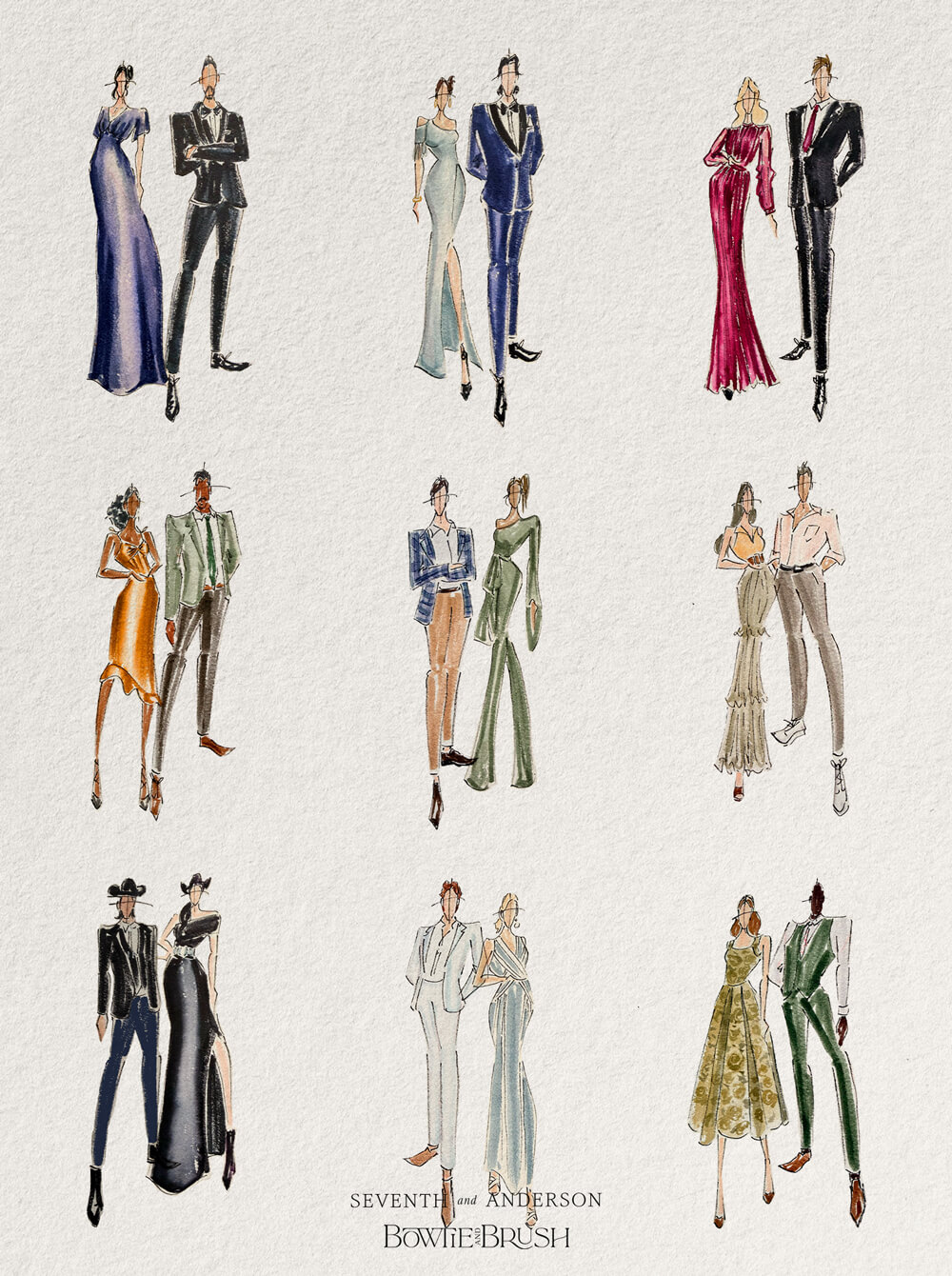
“Wedding dress code: _____.”
That one little line on an invitation can either feel like a helpful guide… or a pop quiz you did not study for. If you’ve ever stared at “Black Tie Optional” and thought, “Okay, but… optional for who?” you are absolutely not alone.
Wedding dress codes should make things easier for your guests, not more confusing. They’re simply a way to help people understand what to expect and how to dress for your celebration.
From my stationer brain, dress codes are just another part of the invitation. Your guests don’t need fancy wording—they just need to know what to expect. The clearer you are, the fewer “What are you wearing?” texts they’ll send, and the more comfortable they’ll feel when they arrive.
In this guide, I’ll explain what each wedding dress code actually means, how it translates in real life, how your venue and time of day influence expectations, and how to choose and communicate a dress code that supports your celebration instead of stressing everyone out.
Let’s decode it all.

What a Wedding Dress Code Really Is
At its core, a wedding dress code is not about rules or impressing anyone. It’s about guidance for guests.
You’re inviting people into a specific experience: a candlelit evening downtown, a barefoot-on-the-lawn ceremony, a chic rooftop party at sunset. The dress code is your way of saying, “Here’s what kind of party this is, so you can show up feeling at ease.”
A few truths that make wedding dress codes much easier:
- It’s about formality, not fashion trends. You’re setting a level of dressiness, not choosing your guests’ outfits.
- It’s a spectrum, not a strict rule. Some guests will dress slightly above or below the ideal, and that’s completely normal.
- It should reflect the reality of your wedding. Asking for Black Tie in a barn with gravel floors will confuse people (and destroy a lot of heels).
- It’s not about hierarchy. What your guests wear isn’t a measure of importance. A dress code simply creates shared expectations so everyone knows how to show up.
When you think of it that way, the question shifts from “What are we allowed to choose?” to “What best fits the celebration we’re creating?”
Your invitation and your dress code each have a job to do. One invites guests to the celebration. The other helps them arrive prepared to enjoy it.
The Classic Dress Codes, Decoded
This is where most questions about wedding dress codes begin. Black Tie, Black Tie Optional, Formal, Cocktail, Semi-Formal, Casual. They’re familiar terms, yet somehow…not. There’s the dictionary definition, and then there’s the way people actually interpret them. More often than not, those aren’t the same thing.
Let’s take the guesswork out of them. Below, you’ll find what each dress code typically means today, when it’s most appropriate, and what your guests are likely to expect.
Black Tie
Black Tie is the most formal dress code you’ll typically see on a wedding invitation (outside of White Tie, which is rare and very old-school).
Black Tie tells your guests to expect the highest degree of formality from the moment they arrive.
What your guests should wear
- Floor-length gowns or exceptionally polished formal separates
- Tuxedos are the standard, or a very formal dark suit with a tie or bow tie
- Elevated fabrics and details such as silk, satin, velvet, crepe, and subtle embellishments
Works best for
Black Tie works beautifully for evening weddings in ballrooms, luxury hotels, historic estates, city rooftops, and winter weddings with dramatic candlelight.
A Black Tie celebration doesn’t begin on the wedding day. It begins the moment your guests open the invitation. From that first impression forward, every detail should point guests toward the same kind of celebration, so they know exactly what to expect.

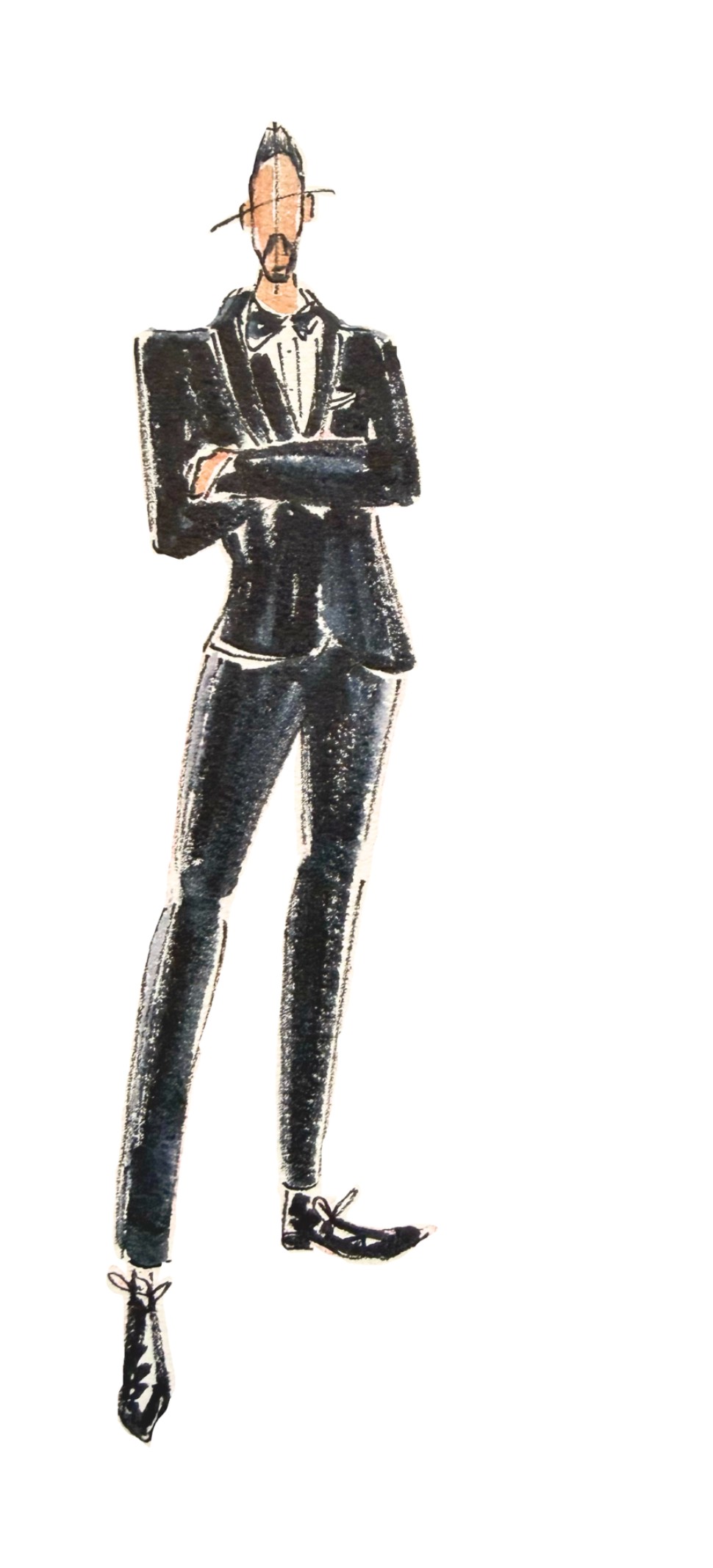
Illustrations by: Bowtie and Brush
Black Tie Optional
Here’s the honest translation: “We love the look of Black Tie, but we don’t want to pressure everyone into renting a tux.” Black Tie Optional offers guests flexibility while maintaining a formal atmosphere. It tells your guests that tuxedos are welcome but not expected.
What your guests should wear
- Tuxedos are welcome and always appropriate.
- A dark suit (navy, charcoal, or black) with a tie is equally appropriate.
- Floor-length gowns, formal midi dresses, or polished cocktail dresses all meet the dress code.
Works best for
Black Tie Optional works well for evening weddings at elegant venues when you want the formality of Black Tie without requiring every guest to rent or purchase a tuxedo or gown. It can be especially helpful when your guest list includes a wide range of ages, locations, or comfort levels with formal attire.

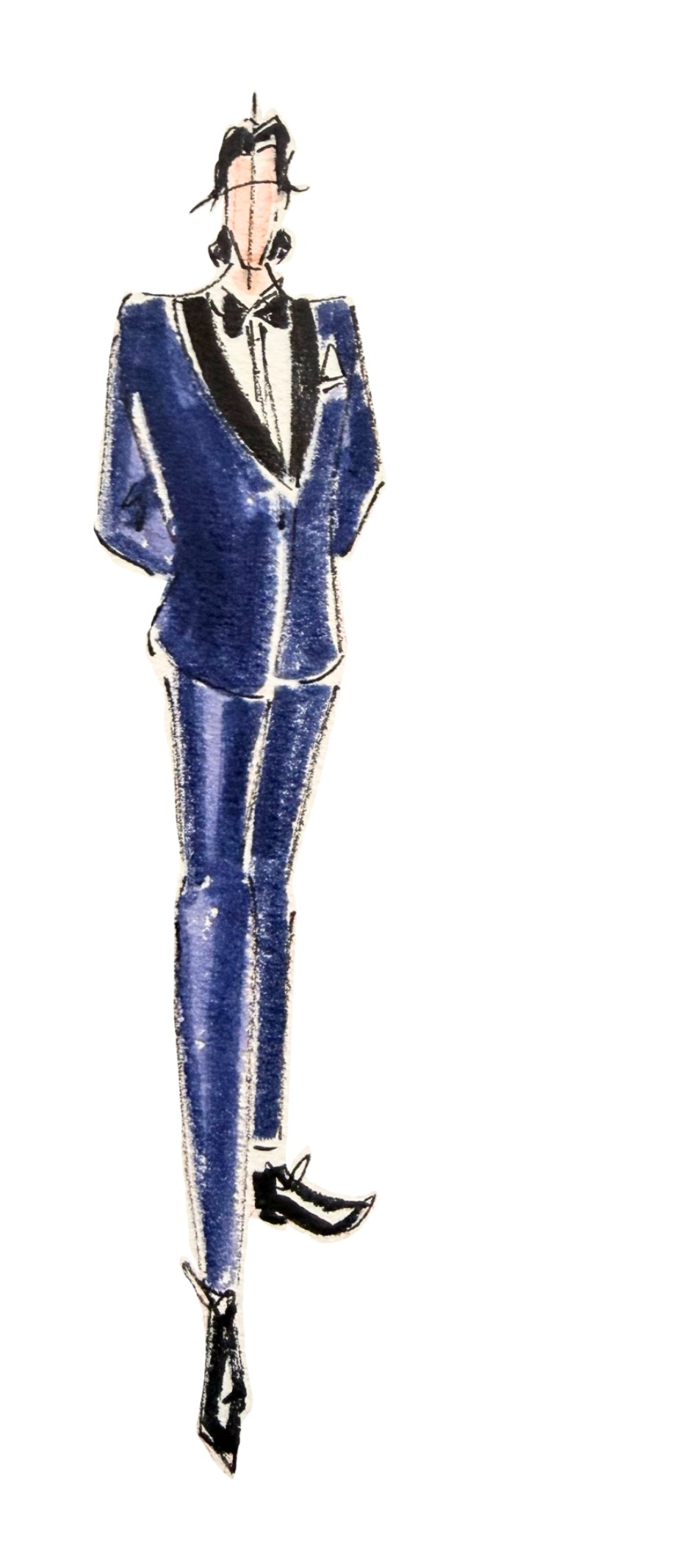
Illustrations by: Bowtie and Brush
Formal
Formal is one of the most flexible wedding dress codes. It signals a formal occasion where guests are expected to dress up, without the expectation of tuxedos or floor-length gowns.
What your guests should wear
- Dark suits with a dress shirt and tie
- Floor-length, midi-length, or refined cocktail dresses
- Dressy jumpsuits or tailored separates in elevated fabrics
Guests should look dressed for a special occasion without feeling like they need full evening attire.
Works best for
If your wedding is at a country club, museum, historic estate, or chic urban venue, Formal is usually the most intuitive fit. It tells your guests, “Yes, this is a special occasion,” without drifting into red-carpet territory.

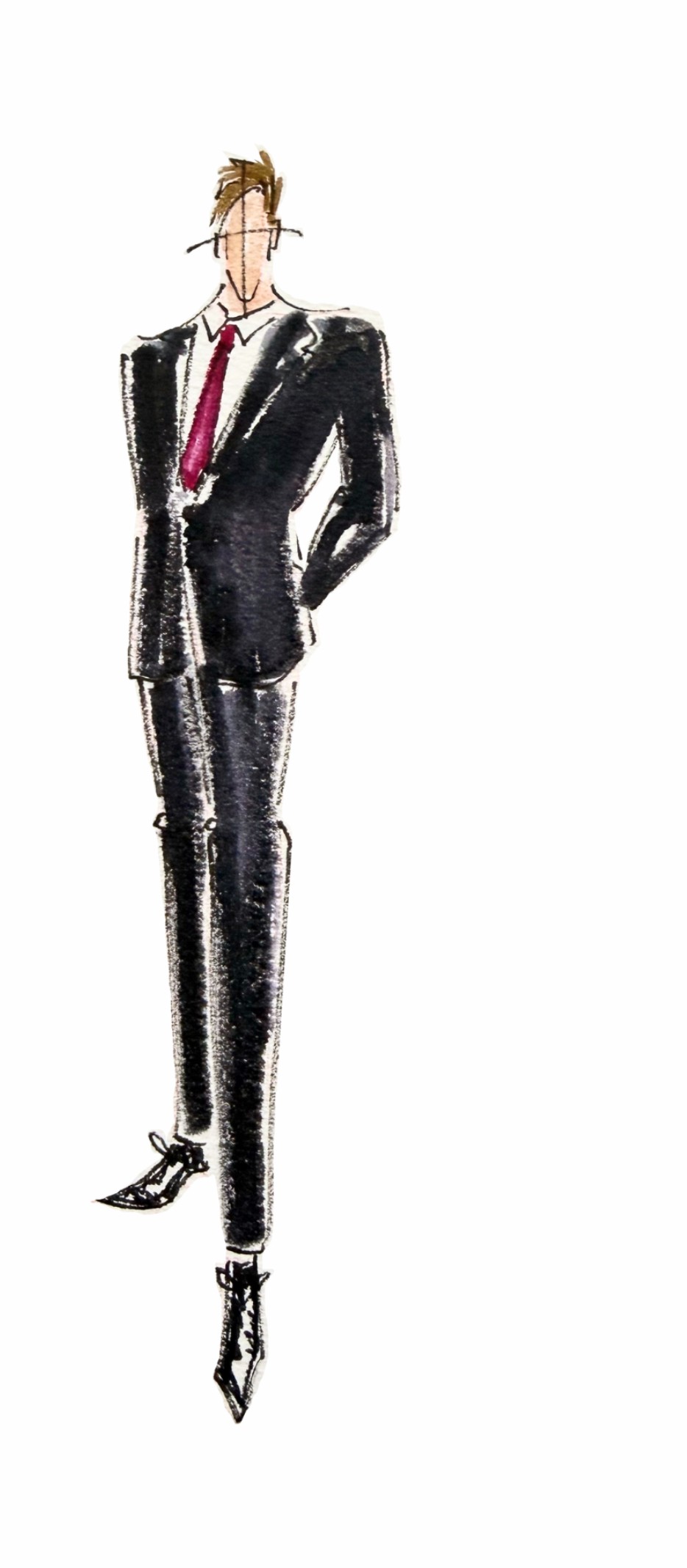
Illustrations by: Bowtie and Brush
Cocktail
Cocktail attire is polished, festive, and party-ready–just a bit more playful than Formal.
What your guests should wear
- Knee-length or midi dresses that feel elevated without venturing into gown territory
- Suits in a variety of colors (navy, charcoal, gray, or lighter tones depending on the season), with or without a tie, based on the overall style of the wedding
- Dressy jumpsuits or tailored separates
This is where guests can let a bit more of their personality show while still looking polished and appropriate for the occasion.
Works best for
Cocktail attire is incredibly flexible and works for most modern weddings. If your wedding is at an art gallery, modern barn, restaurant, rooftop, winery, or contemporary event space, Cocktail is often the most natural fit. It tells your guests, “Dress up, have fun, and don’t overthink it.” For many couples, Cocktail strikes the right balance between a relaxed atmosphere and a dressed-up celebration.


Illustrations by: Bowtie and Brush
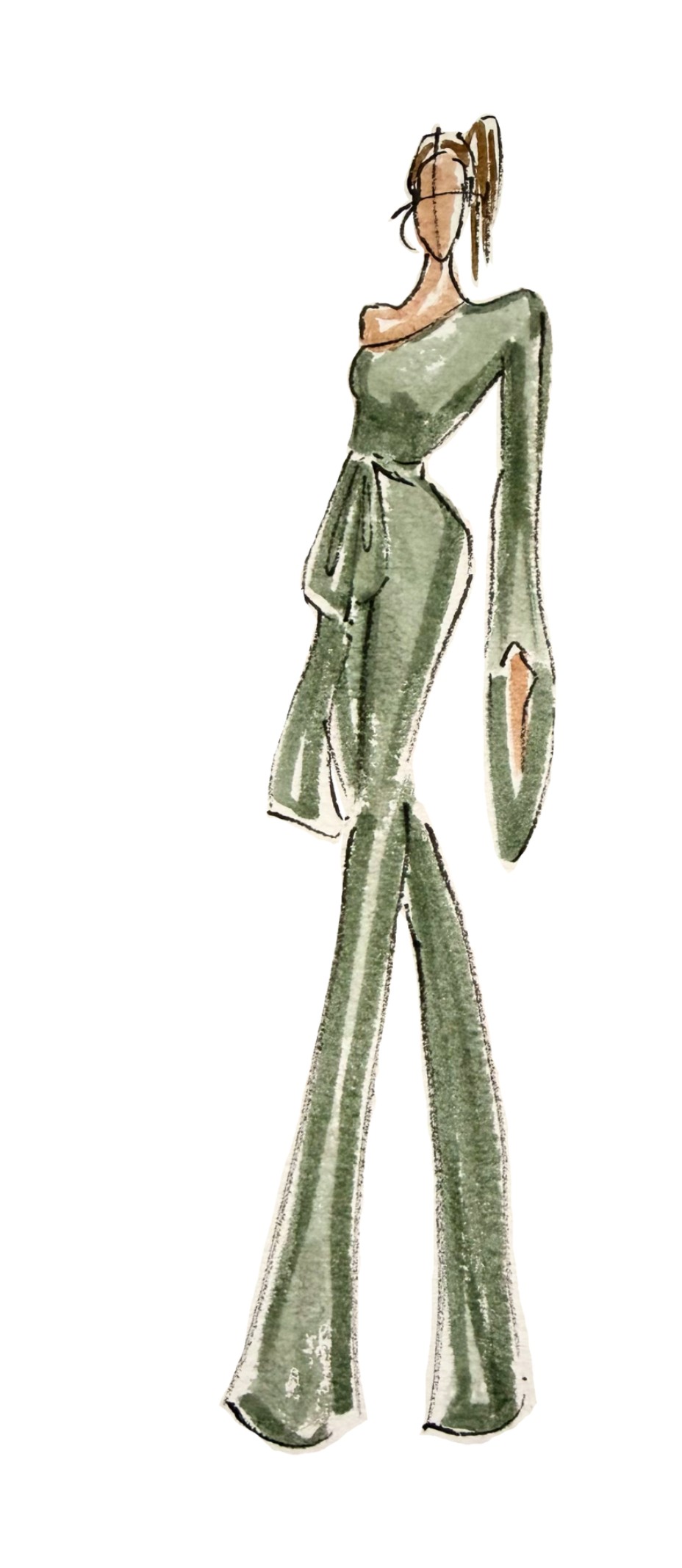
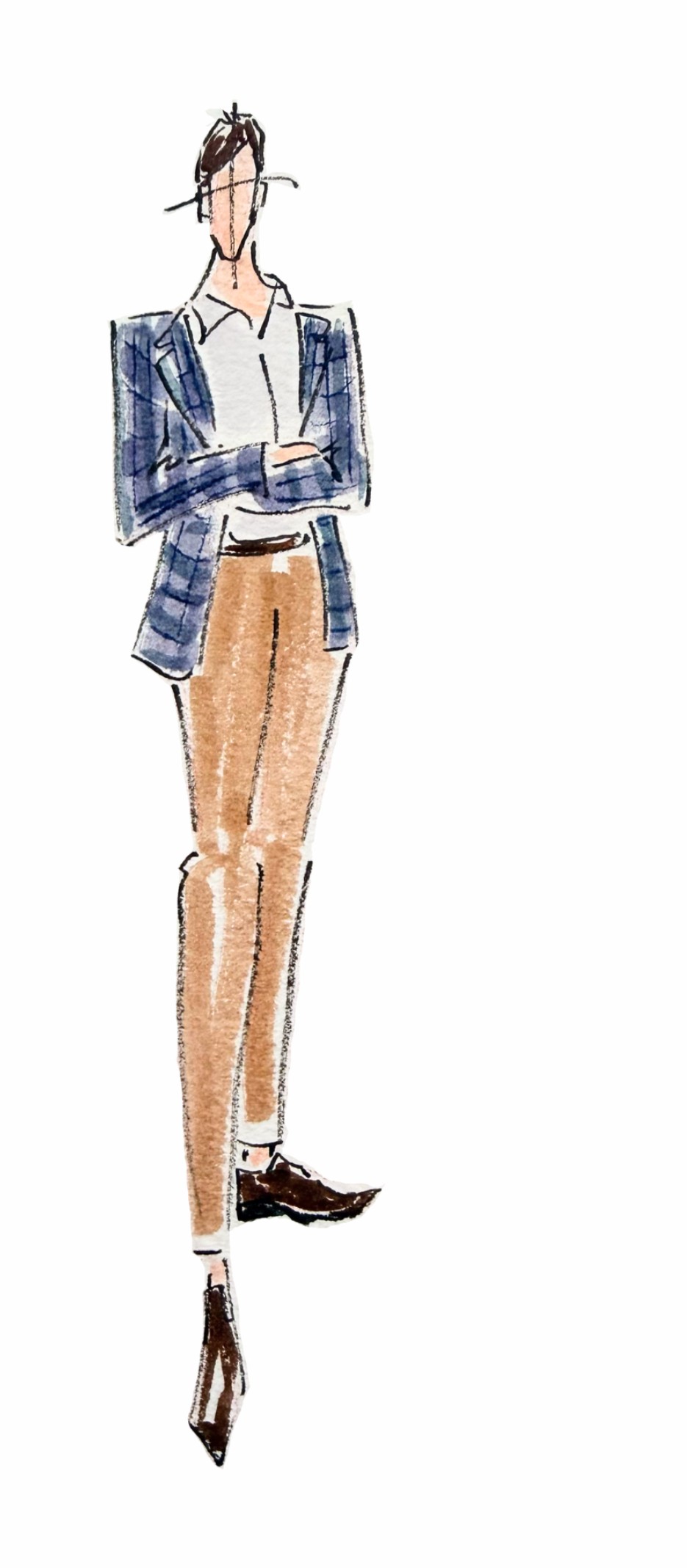
Semi-Formal or Dressy Casual
Semi-Formal and Dressy Casual are where guests tend to second-guess themselves. The easiest way to think about them? A few steps above what you’d wear to work, but well below a suit-and-gown occasion.
What your guests should wear
- Lighter suits or dress pants with a blazer; ties are optional
- Dresses, skirts, jumpsuits, or polished separates that feel dressed up without being overly formal
- Heels, dressy flats, loafers, or other polished footwear (save the sneakers and flip-flops for another day)
The goal is to look dressed for a wedding, not a day at the office or a weekend brunch.
Works best for
Semi-Formal or Dressy Casual works well for daytime weddings, outdoor celebrations, gardens, wineries, and more relaxed venues. It’s a great choice when you want guests to feel comfortable while still recognizing that they’re attending a special occasion.
Because these dress codes can mean different things to different people, it’s worth adding a short note on your wedding website or invitation if you have something specific in mind. A few extra words can eliminate the guesswork entirely.
Illustrations by: Bowtie and Brush
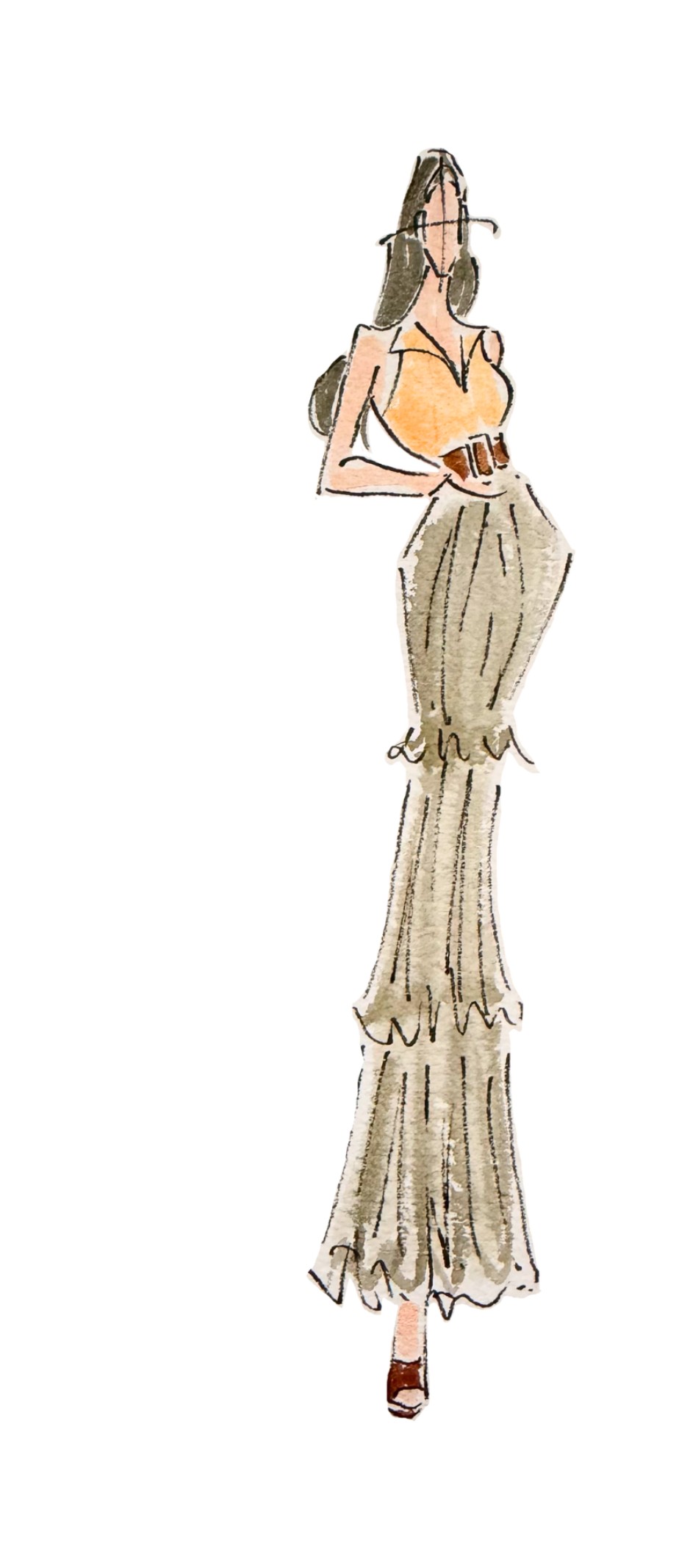
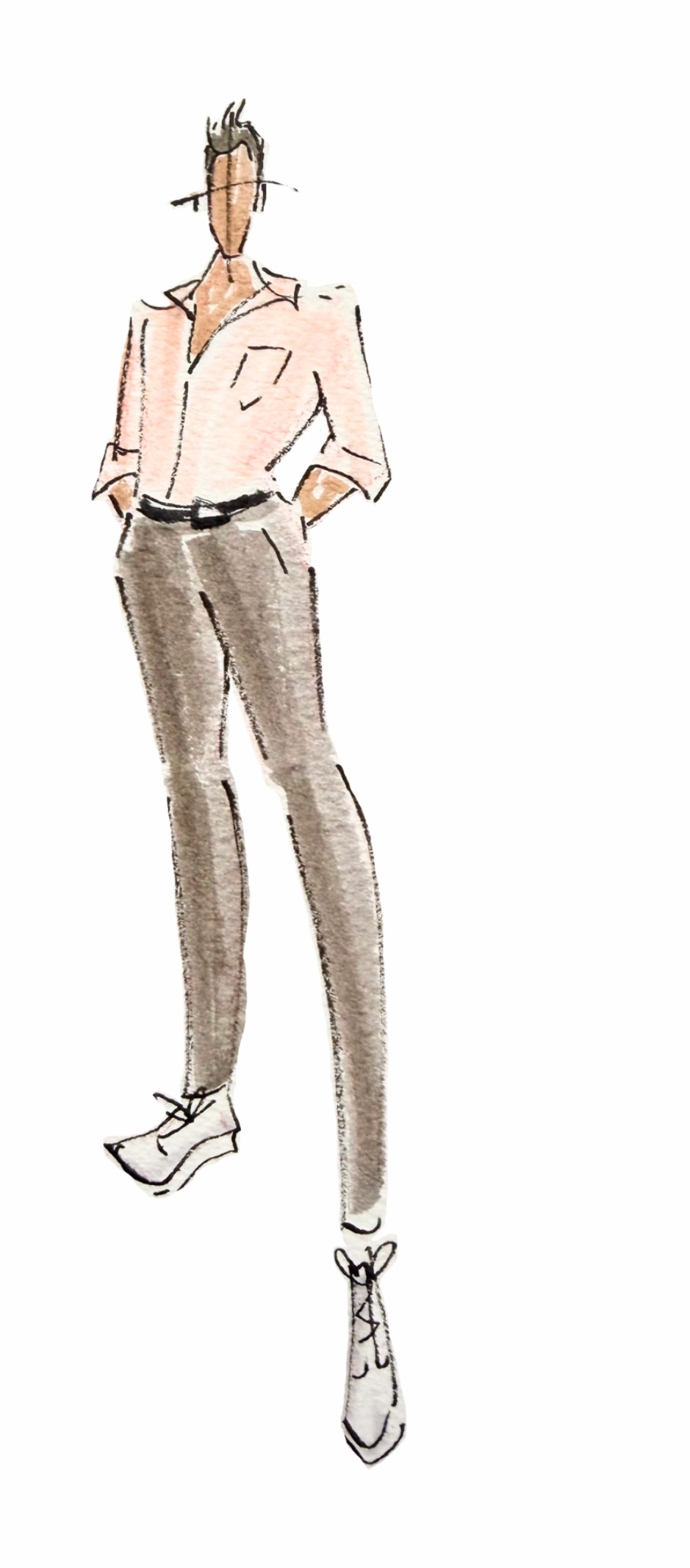
Casual (Results May Vary)
Here’s the problem with Casual as a wedding dress code: it’s anything but clear.
One guest reads “Casual” and reaches for jeans. Another picks out a sundress and sandals. Neither is necessarily wrong, which is why the word often leads to wildly different interpretations and questionable results.
If “Casual” is all your invitation says, your guests are left guessing what you actually had in mind.
What your guests should wear
- Sundresses, casual dresses, skirts, or polished separates
- Khakis, chinos, or dress pants with a button-down or polo
- Loafers, flats, sandals, or other comfortable footwear appropriate for the setting
The overall look should feel relaxed while respectful of the occasion.
Works best for
Casual works well for backyard celebrations, beach weddings, park ceremonies, and other laid-back events where comfort is part of the experience.
If Casual is the right fit for your wedding, consider giving your guests a little more direction. Phrases such as Garden Party Attire, Smart Casual, or Dressy Casual paint a clearer picture of what you have in mind. You can also add a note on your wedding website, such as, “Sundresses, button-downs, and comfortable shoes are encouraged.” A little extra guidance gives guests a much clearer picture of what Casual means for your wedding.
Illustrations by: Bowtie and Brush
The In-Between and Modern Interpretations
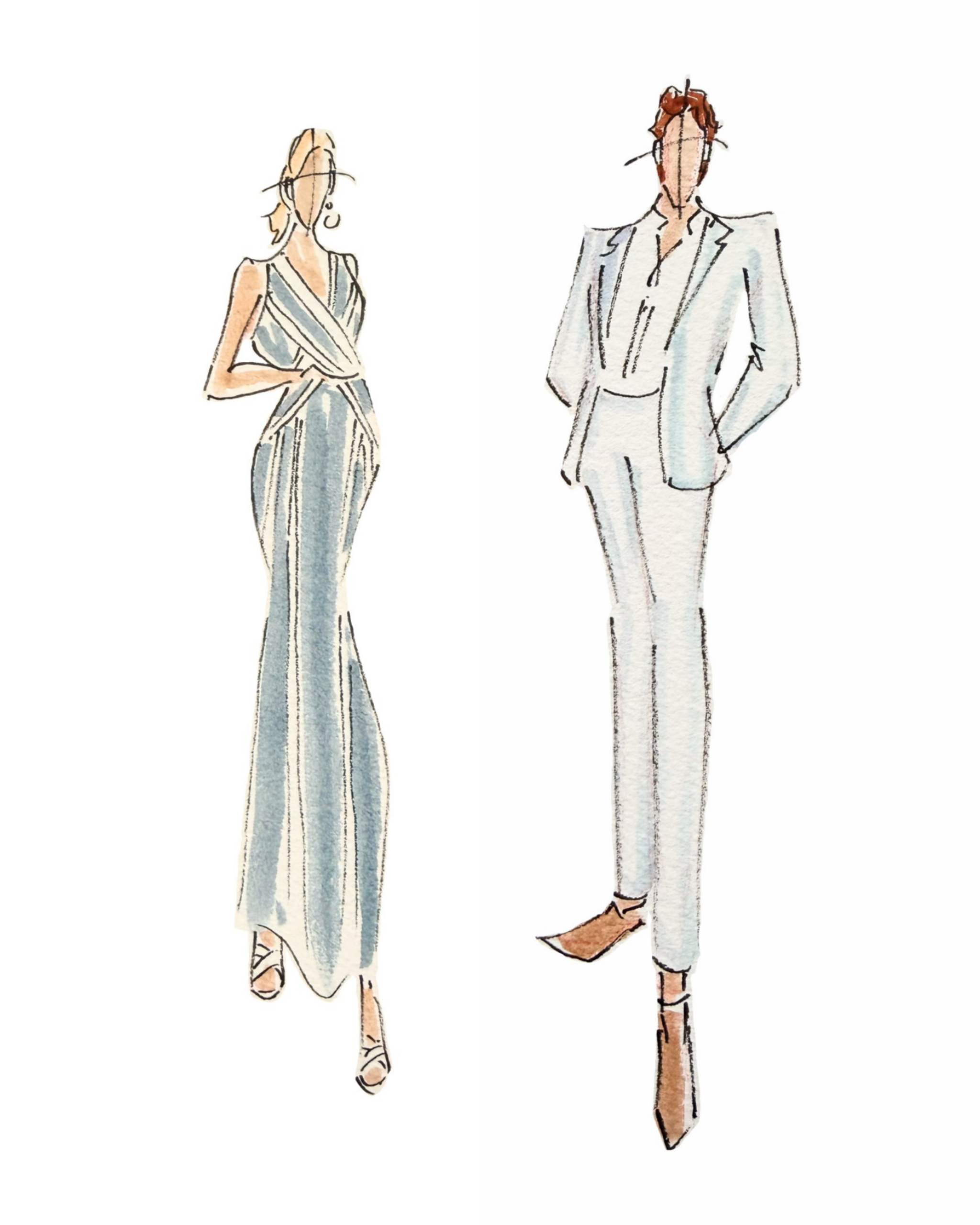
Not every wedding fits neatly into the traditional categories. You may encounter dress codes such as Garden Formal, Coastal Chic, Western Formal, or Festive Attire. Think of them as creative variations on traditional wedding dress codes, using familiar expectations to help guests picture the setting.
What your guests will typically expect
- Garden Formal: Formal attire in lighter fabrics and colors, with practical footwear for grass, gravel, or uneven terrain.
- Coastal Chic: Polished attire in breathable fabrics and lighter colors, with shoes suitable for sand, docks, or waterfront venues.
- Western Formal: Formal attire with subtle nods to the setting, such as polished boots or Western-inspired textures, without feeling costume-like.
The key with all these modern dress codes is clarity. Garden Formal still tells guests they should dress formally. Coastal Chic still calls for polished attire, just adapted for a waterfront setting. Western Formal communicates a formal celebration with regional influence rather than costume-like styling.
If you choose a more creative dress code, don’t leave guests to interpret it on their own. Add a short explanation on your wedding website, such as, “Garden Formal: Floor-length, midi, or cocktail dresses and suits are encouraged. Please choose shoes suitable for walking on grass.”
That one extra line can save your guests a lot of closet anxiety.


Illustrations by: Bowtie and Brush
How Venue, Time, and Season Change Everything
A wedding dress code never exists in isolation. Your venue, ceremony time, and season all shape how guests interpret what you’ve asked them to wear.
Venue
A historic hotel ballroom naturally feels more formal than a family cabin by the lake. Guests notice those cues, even if they don’t consciously think about them. Your wedding dress code should feel like a natural extension of the setting.
Time of day
The same dress code can look different at 2:00 p.m. than it does at 7:00 p.m. A daytime Formal wedding might call for a floral midi dress and a navy suit, while an evening Formal celebration leans toward floor-length dresses and darker suits.
Season
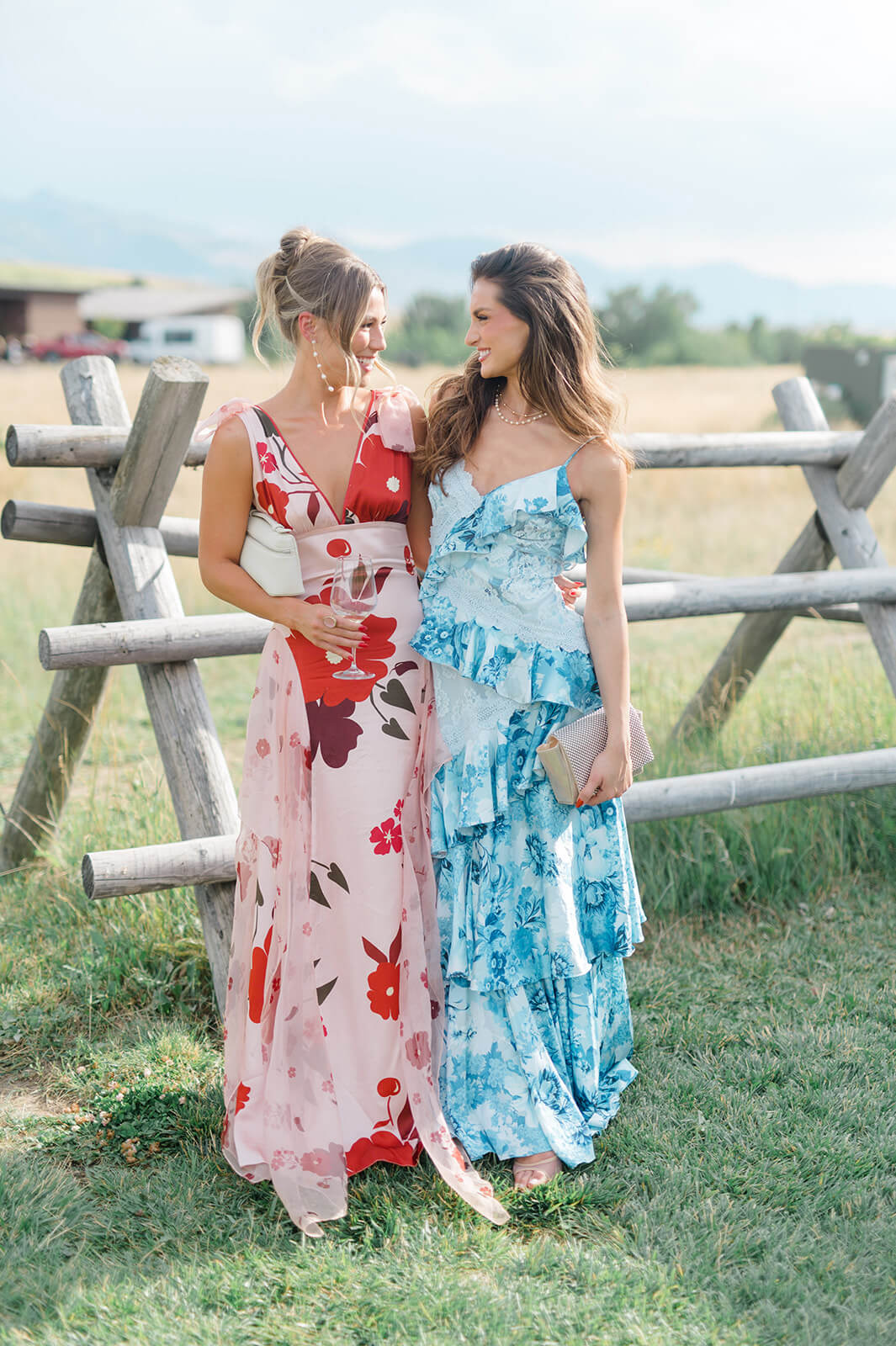
Comfort matters just as much as style. Black Tie at an outdoor wedding in August without shade? That’s asking for a lot of fainting relatives. Winter celebrations naturally lend themselves to velvet, richer colors, and more structured fabrics, while spring and summer call for lighter hues and breathable materials.
When in doubt, picture your guests stepping out of their car. What’s the weather like? What will your guests be walking on? Grass? Gravel? Sand? Cobblestones? Your dress code should help them feel comfortable in that scene, not at war with it.
How to Choose the Right Dress Code for Your Wedding
Before you settle on a wedding dress code, take a step back from the terminology. Instead of asking, “Should we choose Cocktail or Formal?” start by thinking about the experience you want to create.
Ask yourself:
- How do we want the day to feel? Grand and glamorous? Relaxed and welcoming? Somewhere in between?
- What are people realistically going to wear based on our venue, location, and families’ expectations?
- Will our guests be comfortable in the dress code we’re choosing?
- Are we comfortable being the most dressed-up people there? (Hint: you probably will be, and that’s perfectly okay.)
Once you’ve answered those questions, the right dress code usually becomes much clearer. And if you’re still deciding between two options, don’t overthink it. Most couples are choosing between Formal and Cocktail, or Cocktail and Semi-Formal. Choose the wedding dress code that best fits your venue, your guests, and the kind of celebration you’re hosting, not the one that checks a box.
Where (And How) To Communicate The Dress Code
This is where invitations really earn their keep, because clarity beats chaos, and no one wants to decode attire details like it’s a group text gone wrong.
If you’re using a traditional wedding dress code like Black Tie, Formal, or Cocktail, your invitation can simply state it. A single line near the venue information is often all your guests need.
When you’re using a more descriptive wedding dress code, such as Garden Formal, Coastal Chic, or Western Formal, that’s where your details card and wedding website become invaluable.
On the invitation
Keep it short, recognizable, and easy to understand.
- Black Tie
- Black Tie Optional
- Formal Attire
- Cocktail Attire
Your invitation introduces the celebration. It doesn’t need to explain every detail.
On the details card
Use the details card to add a little context when needed.
For example: “Garden Formal Attire: Dresses and suits are encouraged. Please choose shoes suitable for walking on grass.”
One or two sentences are usually enough. If your ceremony or reception takes place on grass, gravel, sand, or cobblestones, this is also the perfect place to mention appropriate footwear.
On your wedding website
Your wedding website is the best place for anything that needs additional explanation. You can briefly describe what your chosen wedding dress code means, note any venue considerations, or answer questions your guests may have before the wedding day.
The goal isn’t to create a long list of rules. It’s simply to remove uncertainty so your guests know what to expect before they arrive.
When your invitation, details card, and wedding website all point guests in the same direction, they spend less time wondering what to wear and more time looking forward to celebrating with you.
Common Wedding Dress Code Mistakes and How to Avoid Them
Even the best intentions can create confusion if your wedding dress code isn’t communicated clearly. Fortunately, most mistakes are easy to avoid.
Mistake: Choosing a wedding dress code that doesn’t match your venue
Fix: Let your venue, ceremony time, and setting guide your decision. A backyard celebration calls for something different than a historic ballroom, and your wedding dress code should make sense for where you’re getting married.
Mistake: Using a creative dress code without explaining what it means.
Fix: If you’ve chosen a wedding dress code like Garden Formal, Coastal Chic, or Western Formal, don’t make guests guess. Add a short explanation to your wedding website so they understand what you mean. A sentence or two is usually all it takes.
Mistake: Sending mixed messages.
Fix: Your invitation design, wedding dress code, and wedding website should all point your guests in the same direction. A highly formal invitation paired with a casual wedding dress code—or vice versa—can leave guests wondering what to expect.
Mistake: Forgetting the little things.
Fix: If your guests will be walking on grass, gravel, sand, or uneven ground, let them know in advance. A short note about footwear can save a lot of uncomfortable surprises.
Mistake: Worrying that one imperfectly dressed guest will “ruin” your photos.
Fix: They won’t. Years from now, you’ll remember the people who gathered to celebrate with you—not whether every guest interpreted your wedding dress code perfectly.
Wedding dress codes don’t need to be complicated. They simply need to give guests enough information to arrive feeling comfortable and appropriately dressed. When your invitation, wedding website, and wedding dress code all work together, your guests spend less time wondering what to wear and more time looking forward to celebrating with you.
Wedding Dress Codes, Decoded and Done Well
Wedding dress codes aren’t secret rules reserved for those “in the know.” They’re simply an invitation into the kind of celebration you’re hosting, translated into clothing. When you strip away the pressure and performative part of it, you’re left with something pretty simple: making it easy for the people you love to celebrate alongside you.
That’s what good stationery does from beginning to end. From the first envelope to the final place card, every piece has an opportunity to inform, welcome, and create a connected experience. Together, those pieces become the unifying thread that connects your celebration from beginning to end.
If you’re looking for custom wedding invitations that do more than share the details, I’d love to help. Explore my portfolio, learn more about my services, or get in touch when you’re ready to begin.
And if you’d like a closer look at the details, the process, and the moments in between, you’ll find me on Instagram sharing both the work and the perspective behind it.

Janeil Anderson
Janeil is the founder and creative director of Seventh and Anderson, a Montana-based wedding stationery studio serving couples across the United States and internationally. She helps couples navigate every decision that shapes their stationery, so they never have to wonder if they’re making the right one.
She believes beautiful stationery is simply what you get to hold at the end. The real luxury is the experience of creating it.
Whether you have questions about etiquette, timelines, print methods, or where to begin, she’s always happy to help. You can reach her through the contact page, and she’ll be back in your inbox with a response in no time.
Love the artwork? Meet Danison!
Danison Fronda-Tietz is the human behind Bowtie & Brush®. He is a Portland-based live wedding artist with a deep appreciation for sharp tailoring, thoughtful details, and guests who fully get the vibe. He creates live watercolor wedding portraits in a fashion illustration style at celebrations across Portland, Seattle, the PNW, California, Florida, and basically wherever love decides to throw a fun party next. He often shows up in a bowtie. He treats his clients and their guests like they’ve known each other for years. He is fully convinced your wedding favors should be frame-worthy, not tossed away. Danison creates personalized keepsakes and luxury art experiences your guests will never forget. Fun facts if you’re curious: He’s a Virgo, an anime nerd, a CPA, a happily married man, a dog lover, and a proud dad. He’s probably also currently drinking a nice glass of wine.

NEXT POST
back to post index
PREVIOUS POST
Learn when to order, design, and mail each piece for a seamless stationery experience. From save-the-dates to thank you cards, this guide helps you plan early, avoid rush fees, and create a guest experience that feels intentional from the very first envelope.
The Wedding Stationery Checklist Every Couple Should Follow
stationery guide
My brother and I grew up with a front row seat to what true, long-lasting love looks like. This is the story of our parents' golden anniversary, a celebration that didn't just mark a milestone but also honored them and the legacy they created.
Celebrating 50 Years of Love: Our Parents' Golden Anniversary
CELEBRATIONS
Some wedding days dazzle with their beauty. Others draw you in quietly, through thoughtful choices and meaningful details. Lili and Killian’s Moonlight Basin wedding was the latter.
Floral Wedding Invitations for a Summer Wedding at Moonlight Basin.
WEDDINGS


The Journal
a few favorites from
This is the third message we've received from family and friends regarding our invitation design, after sending our invites out just a week ago. It's hard enough these days getting people to return their RSVPs for weddings, but to have people go out of their way to compliment the details, is incredible. Janeil with Seventh and Anderson is the fairy godmother of paper products, she gets to know you and your partner, takes your ideas/likes/dislikes into account, and creates stunning work you could never have dreamed of.
This is the third message we've received from family and friends regarding our invitation design, after sending our invites out just a week ago. It's hard enough these days getting people to return their RSVPs for weddings, but to have people go out of their way to compliment the details, is incredible. Janeil with Seventh and Anderson is the fairy godmother of paper products, she gets to know you and your partner, takes your ideas/likes/dislikes into account, and creates stunning work you could never have dreamed of.
“Your wedding invites are the most beautiful things I’ve ever seen.”
— Katie & Xander
If this post had you thinking differently about your invitations, you’re exactly where you need to be. Wedding stationery isn’t an afterthought here; it’s part of how your guests experience the entire celebration.
If you’re ready to approach your invitations with intention and clarity, I’d love to hear what you’re planning.
When the details start to matter.


comments +