Choosing your wedding invitation style is one of the first creative decisions you’ll make during wedding planning. It becomes the guiding thread, shaping expectations and influencing all other design choices.
This isn’t about chasing trends. It’s about aligning what feels right for you.
When your paper story is clear, planning feels easier. Decisions come faster. Doubt gets quieter. And your guests will know exactly what kind of celebration awaits them, long before they arrive.
I’m Janeil, the custom wedding stationer at Seventh and Anderson. From my studio in Montana, I design personalized wedding invitations and full-service paper goods for couples who care about cohesion, clarity, and how their guests experience the day. If you want your stationery to feel thoughtful and effortless, with a process that is calm and enjoyable, you’re in the right place. You can explore my services or contact me anytime to start the conversation.
Let’s explore how to choose a wedding invitation style that actually fits you, and how each decision can be rooted in genuine meaning from the start.
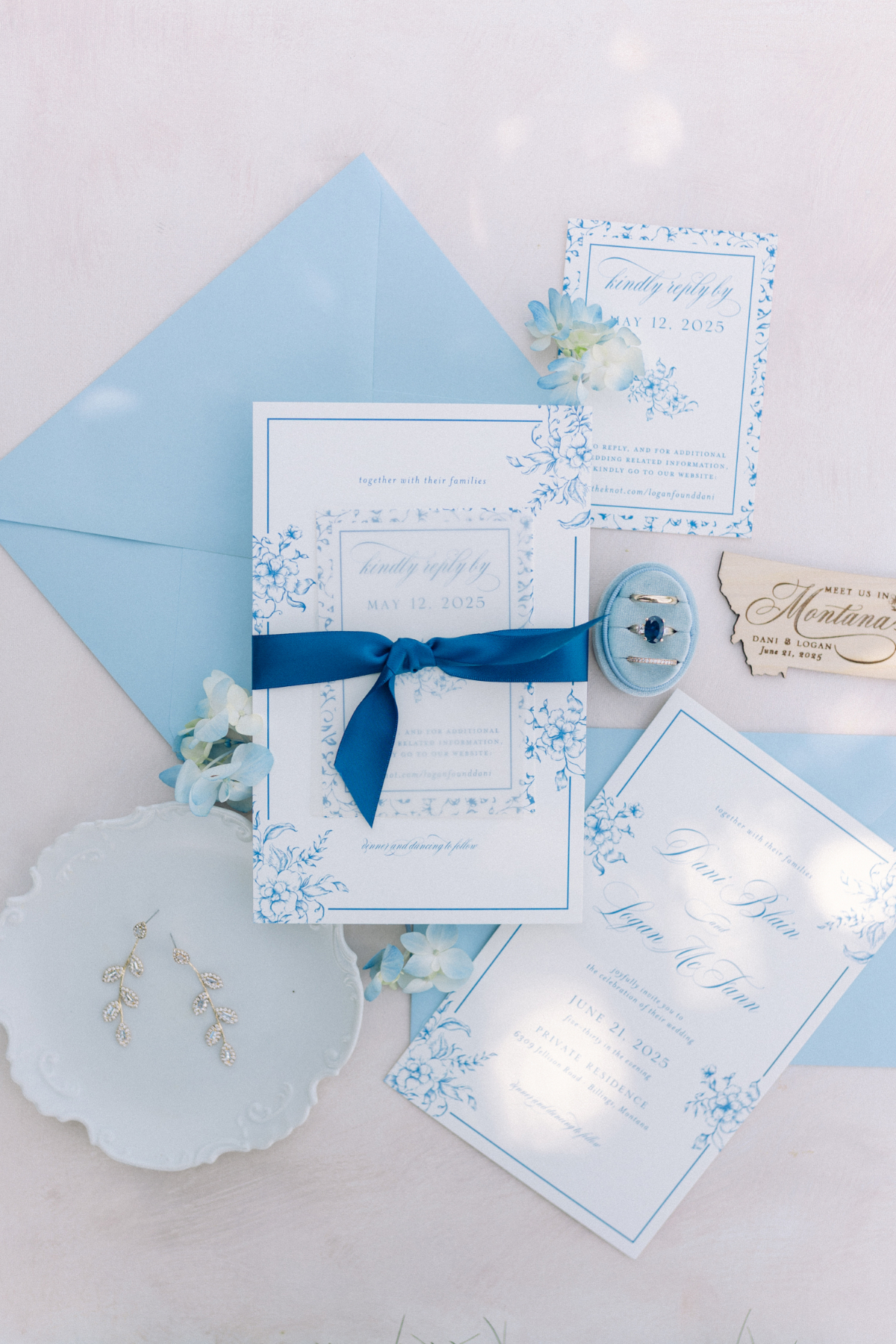
Start With How You Want Your Wedding to Feel
Before you think about fonts or color, start with how you want your wedding to feel.
Not what it looks like. What it communicates.
Calm.
Refined.
Romantic.
Relaxed.
Formal.
Intimate.
Your wedding invitation style should be anchored in that emotional intention first. Style follows feeling, not the other way around. Skip this step, and your wedding invitation ideas can end up feeling disconnected from the day you’re actually planning.
One question clarifies everything:
How do you want your guests to feel when they open the envelope?
Your answer becomes the foundation. It informs every detail: layout, pacing, print method, and even what you choose to leave out. It also helps narrow the constant flow of wedding invitation designs you see online.
Let the Setting Do Some of the Work
Your venue provides context, whether you acknowledge it or not.
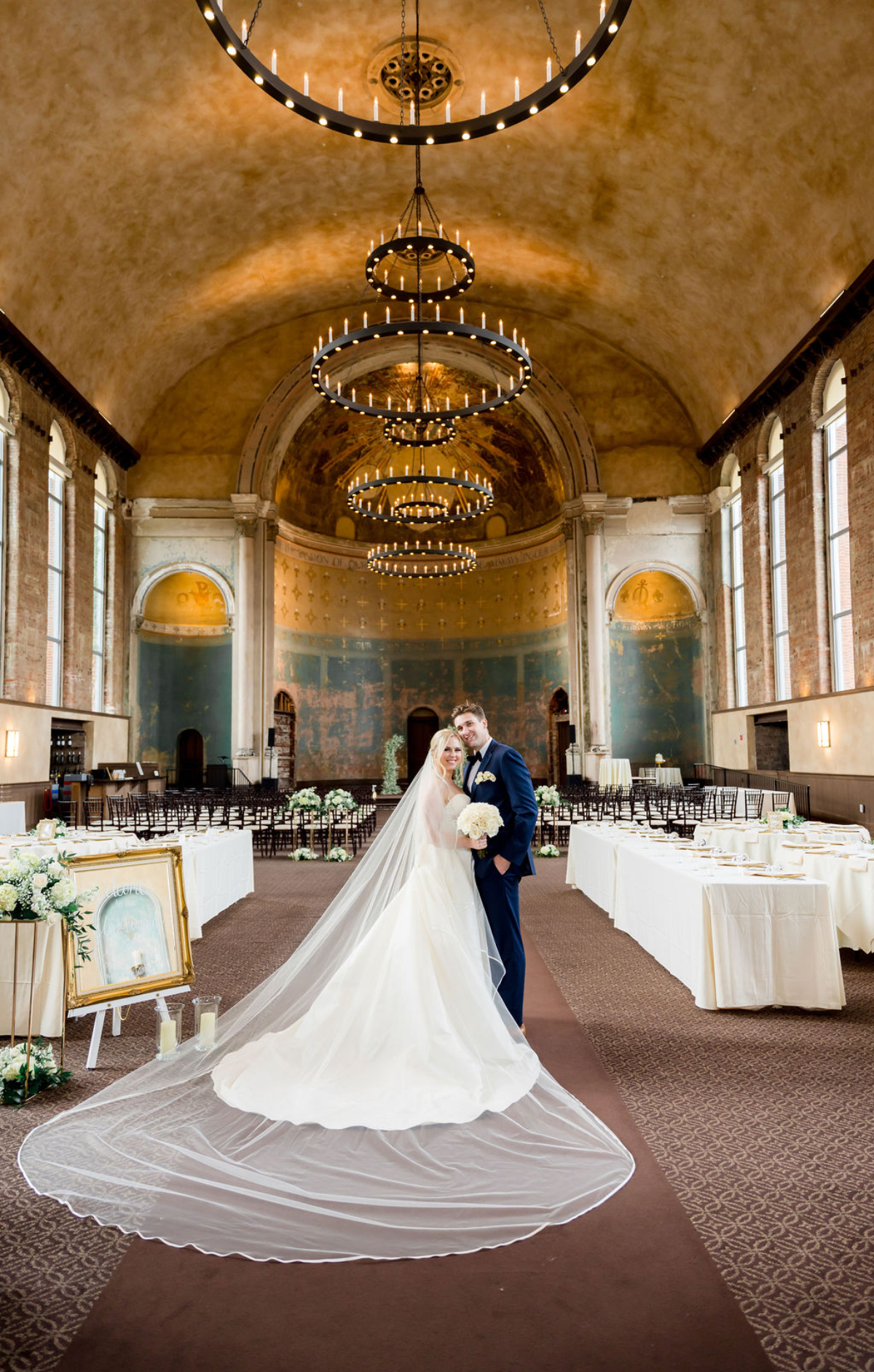
A historic estate, a modern city space, a mountain resort, or a private family property all carry their own visual language. Your invitations should feel at home in that environment.
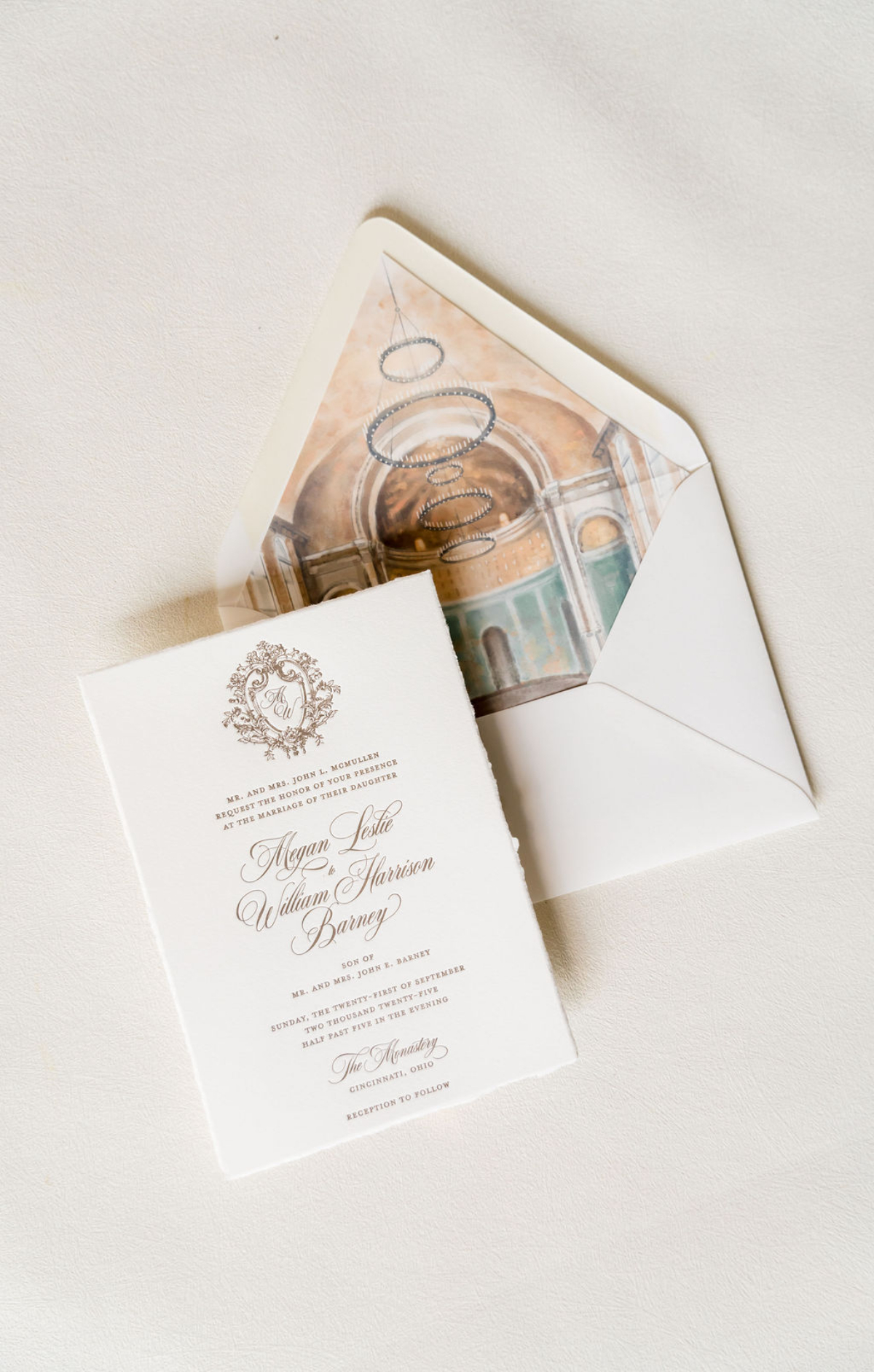
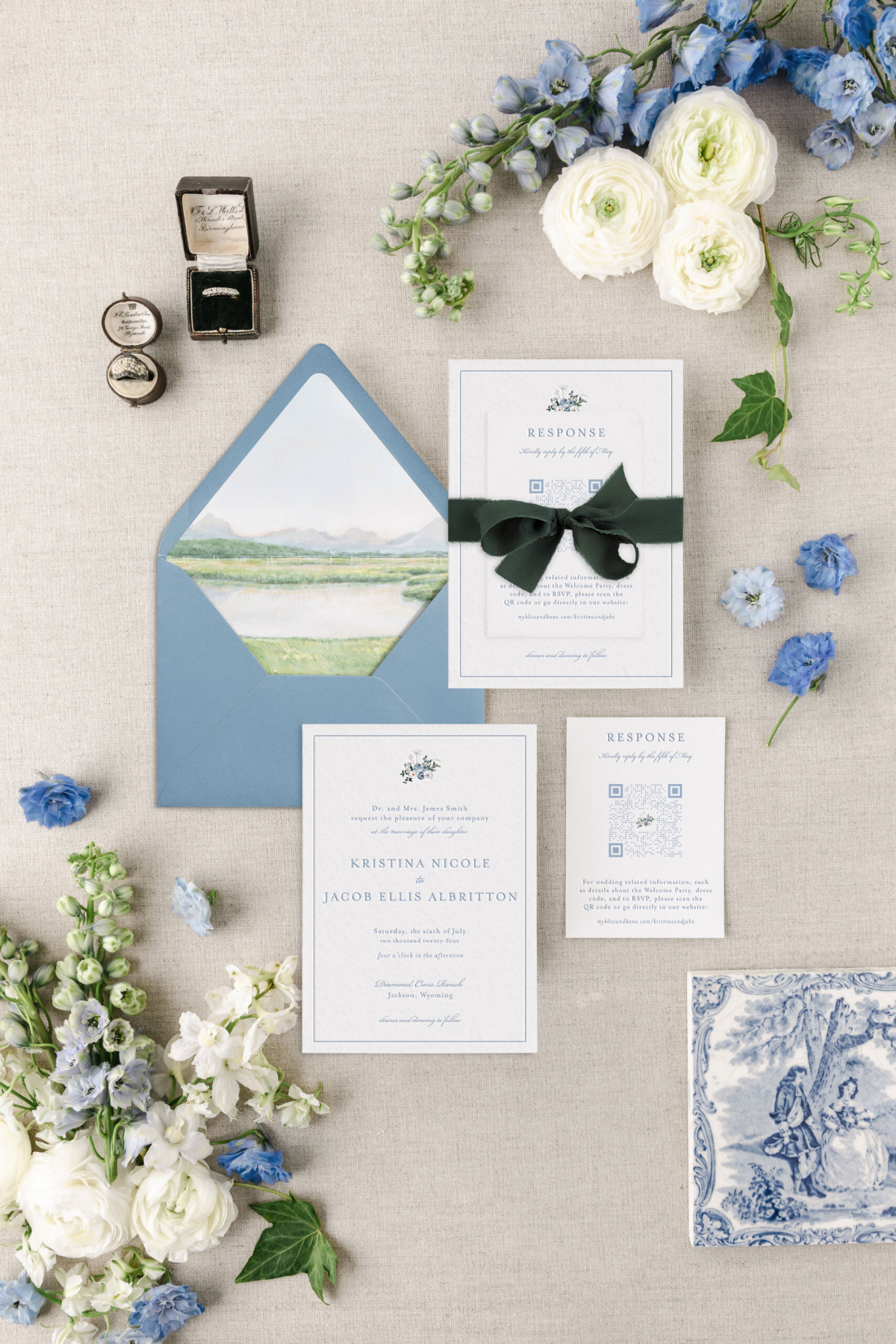
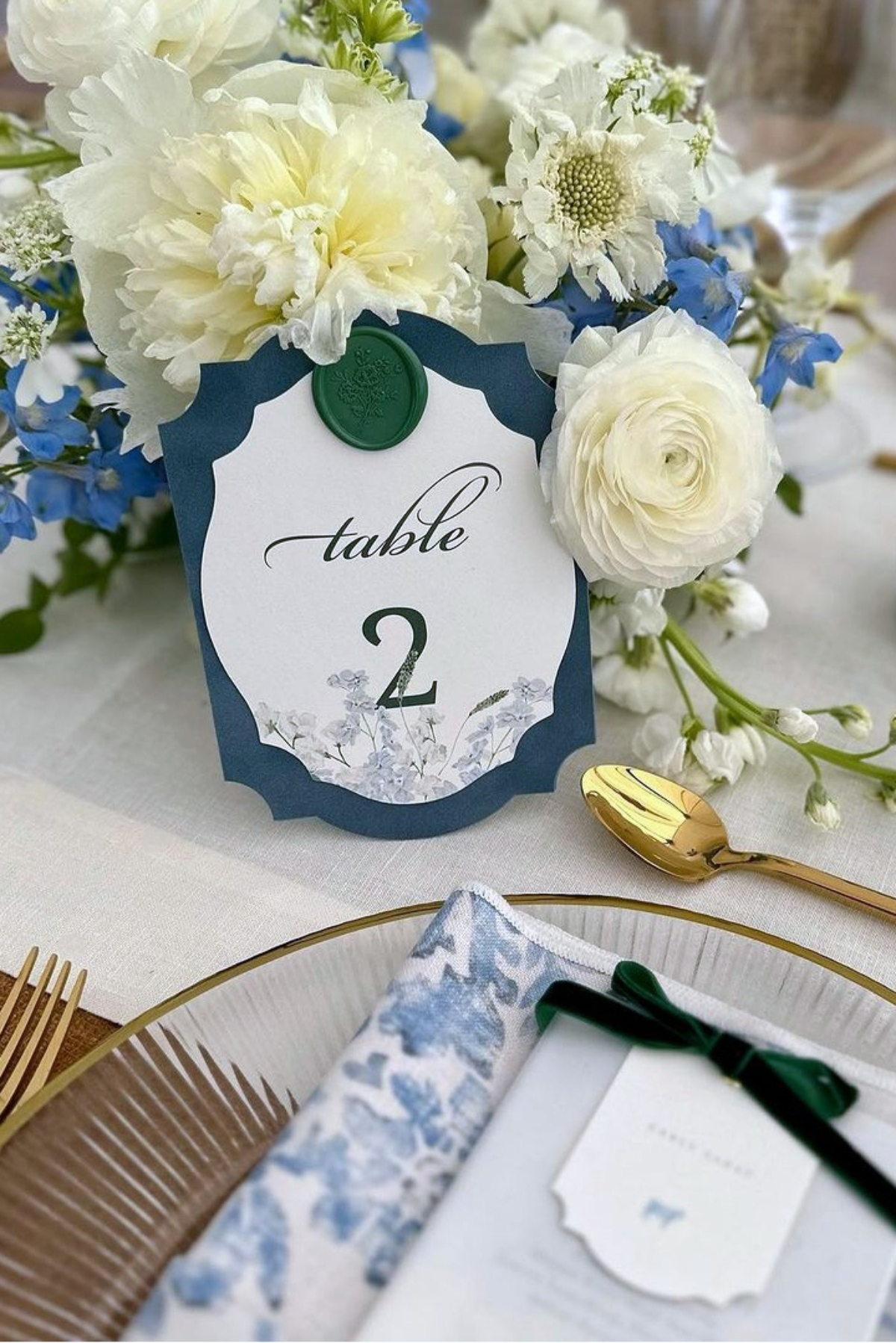
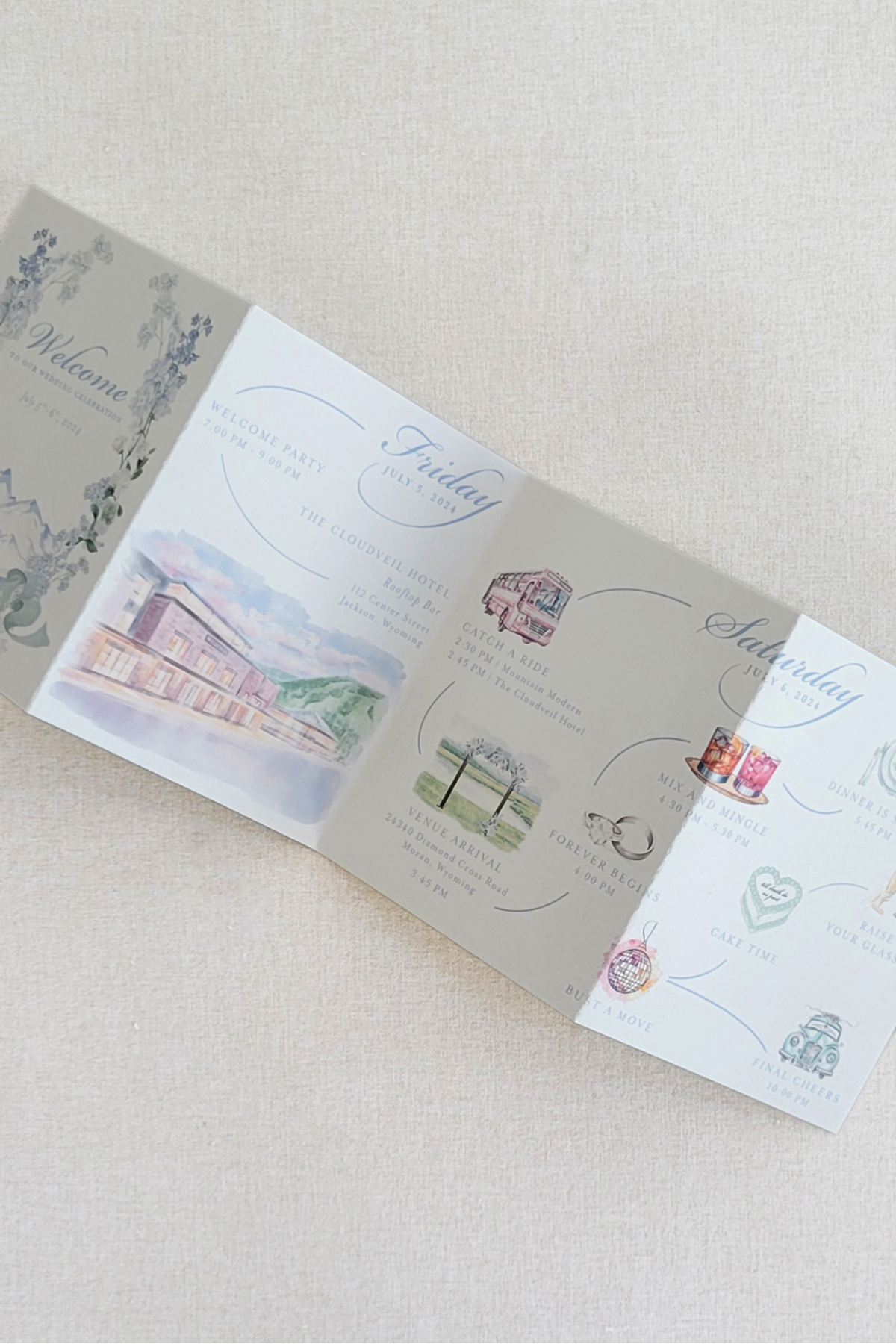
This doesn’t require an illustration of the venue (although we can). It means the materials, scale, and tone need to align. Modern wedding invitations often pair well with clean architecture and minimal spaces. Softer, layered paper goods are well-suited to outdoor or estate settings.
When your invite design acknowledges the setting early, guests subconsciously understand what to expect. That clarity reduces confusion later. It also makes cohesion easier across the rest of your wedding details.
The setting creates the backdrop. Tone determines how that backdrop is experienced.
Consider the Tone of Your Event
Tone and formality are closely connected, but they aren’t the same thing.
A black-tie wedding and a formal garden wedding may both be elevated, but they express that elevation in different ways. Your wedding invitation style needs to make that distinction clear.
Typography plays a major role here. So does spacing and overall layout. Even how information is distributed between the invitation and its inserts carries weight. Even envelope addressing contributes more than most couples realize.
The right print method quietly supports the tone. Letterpress feels different than flat printing. Heavier paper feels different than thin stock. Guests notice, even if they can’t name why.
Tone sets the direction. Design priorities keep everything from drifting.
Choose Your Design Priorities
You don’t need to love everything. You just need to know what matters most.
Some couples care most about typography. Others about texture. Some focus on color or illustration. Choosing one or two elements creates focus within your wedding invitation style. It gives every decision a reason to exist and keeps the design from feeling pulled in too many directions.
This is also where unique wedding cards begin to emerge. Not because they try to stand out, but because they are focused. When every choice supports a clear priority, the result feels intentional.
Personalized wedding invitations aren’t about adding more. They’re about knowing what to leave out.
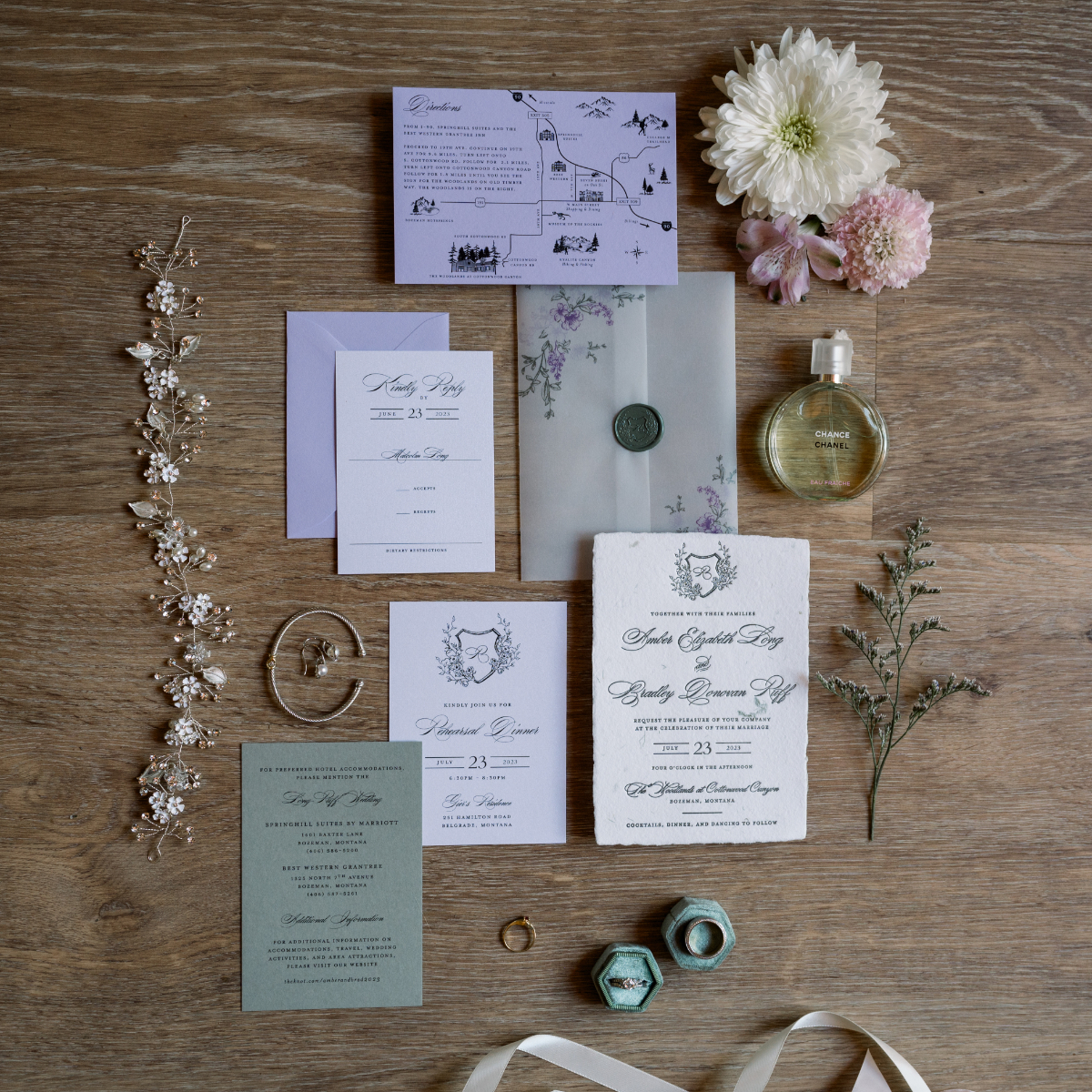
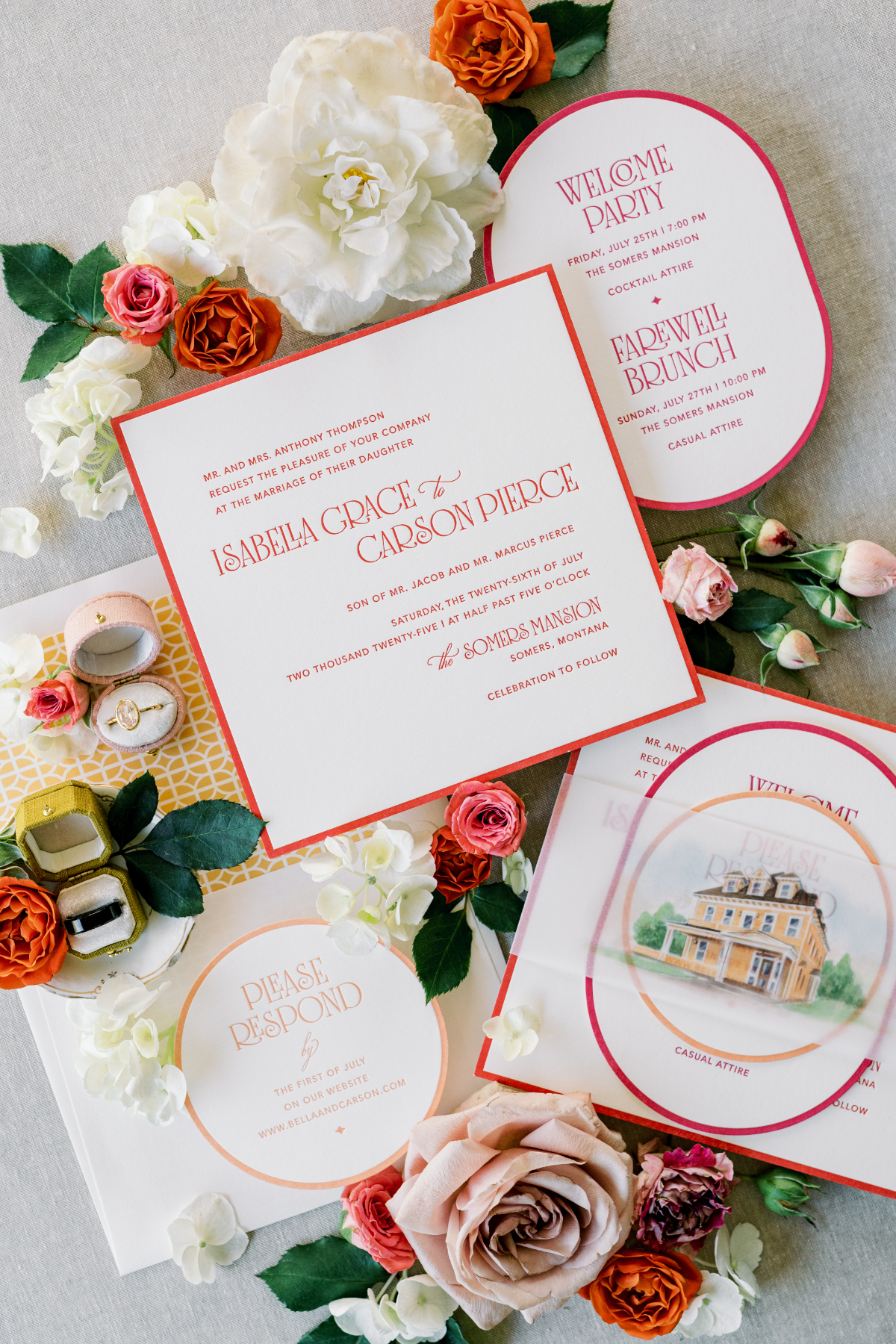
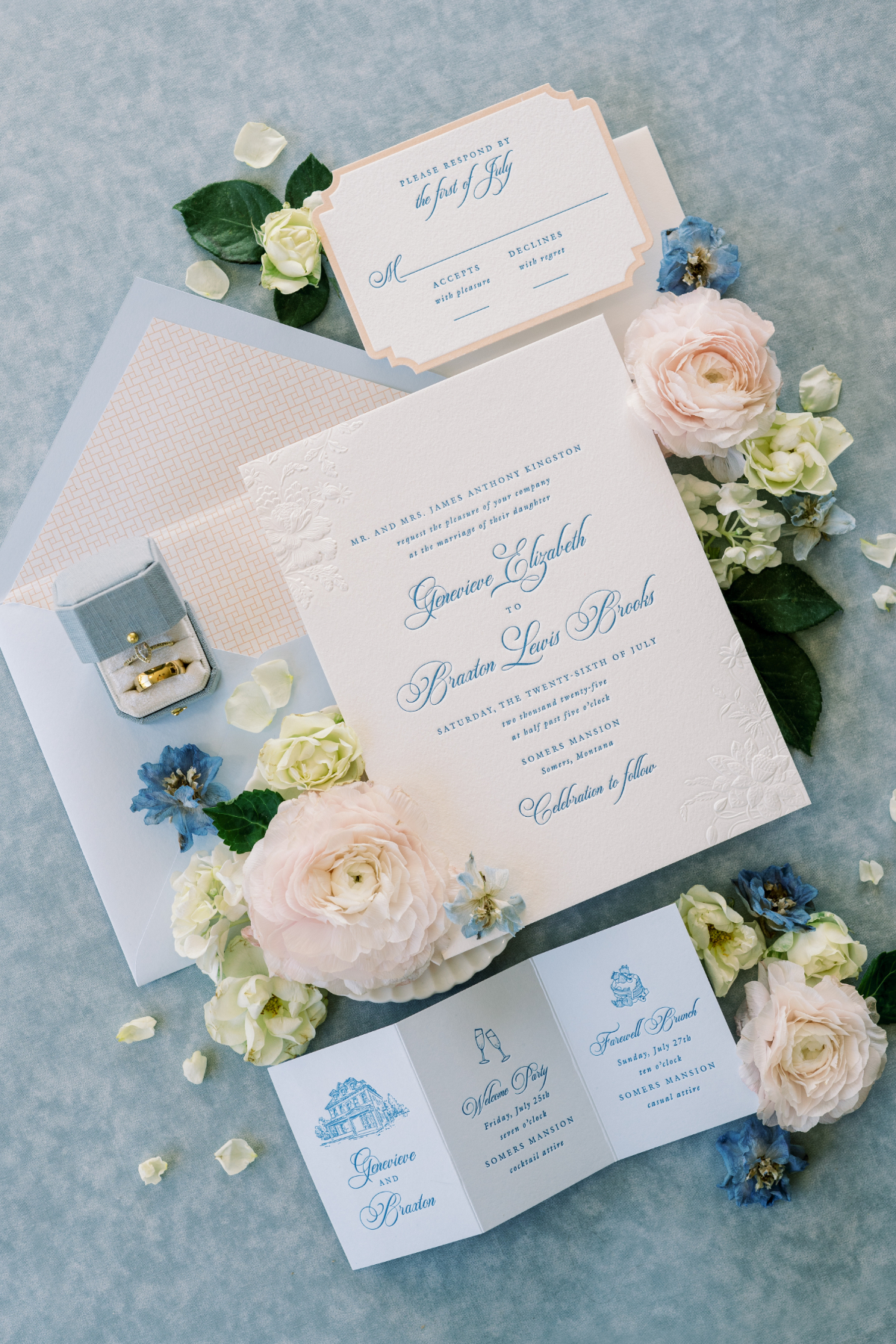
Materials and Print Methods That Support the Style
Materials and print methods need to support your wedding invitation style, not take it over.
I often see couples start with printing techniques before deciding what they want to communicate. That can work against clarity. The print method should come after the message.
Letterpress.
Foil.
Digital printing.
Or a combination.
Each creates a different experience in the hand. Each supports certain wedding invitation styles better than others.
A minimal design printed on exceptional paper can feel just as elevated as an ornate suite with multiple embellishments. The most elevated suites are rarely the loudest. They’re the most aligned. The key is alignment between message, material, and method.
If you want a deeper look at how luxury materials and processes differ, my article “Guide to Luxury Wedding Invitations: What Makes Them Different & Why They Matter” breaks it down clearly and calmly.
What Cohesion Looks Like From Save the Date to Day Of
Cohesion isn’t repetition. It’s continuity.
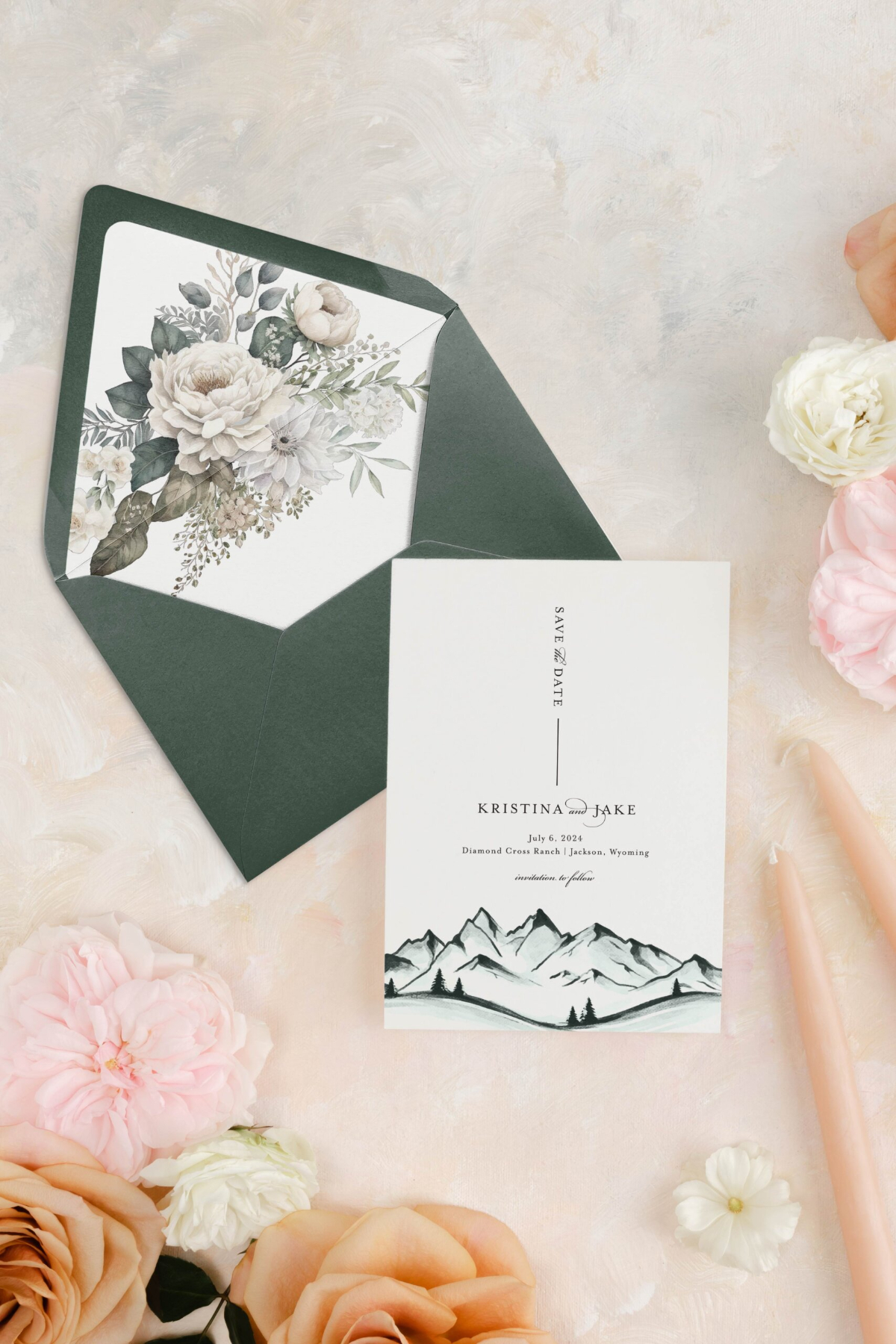
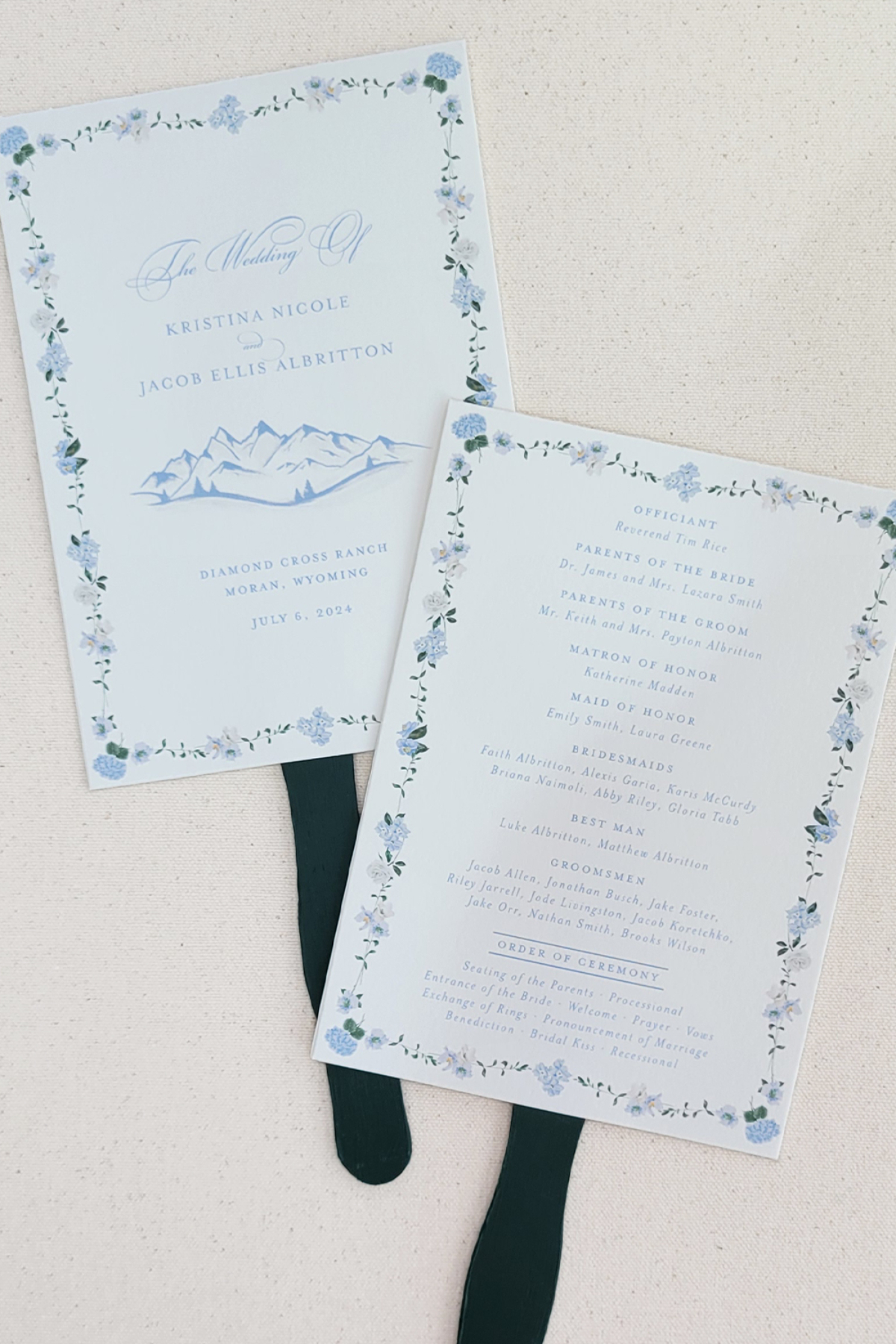
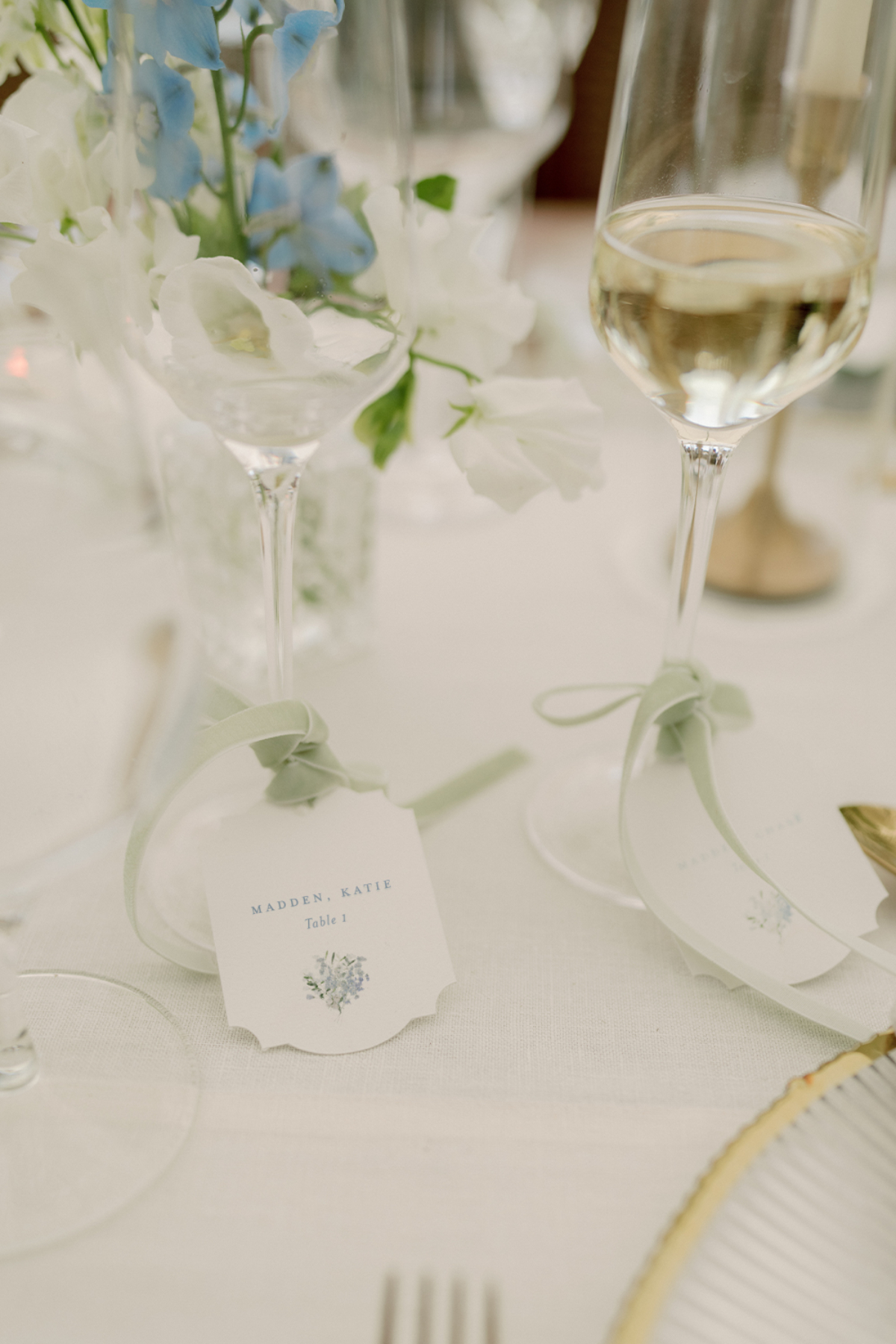
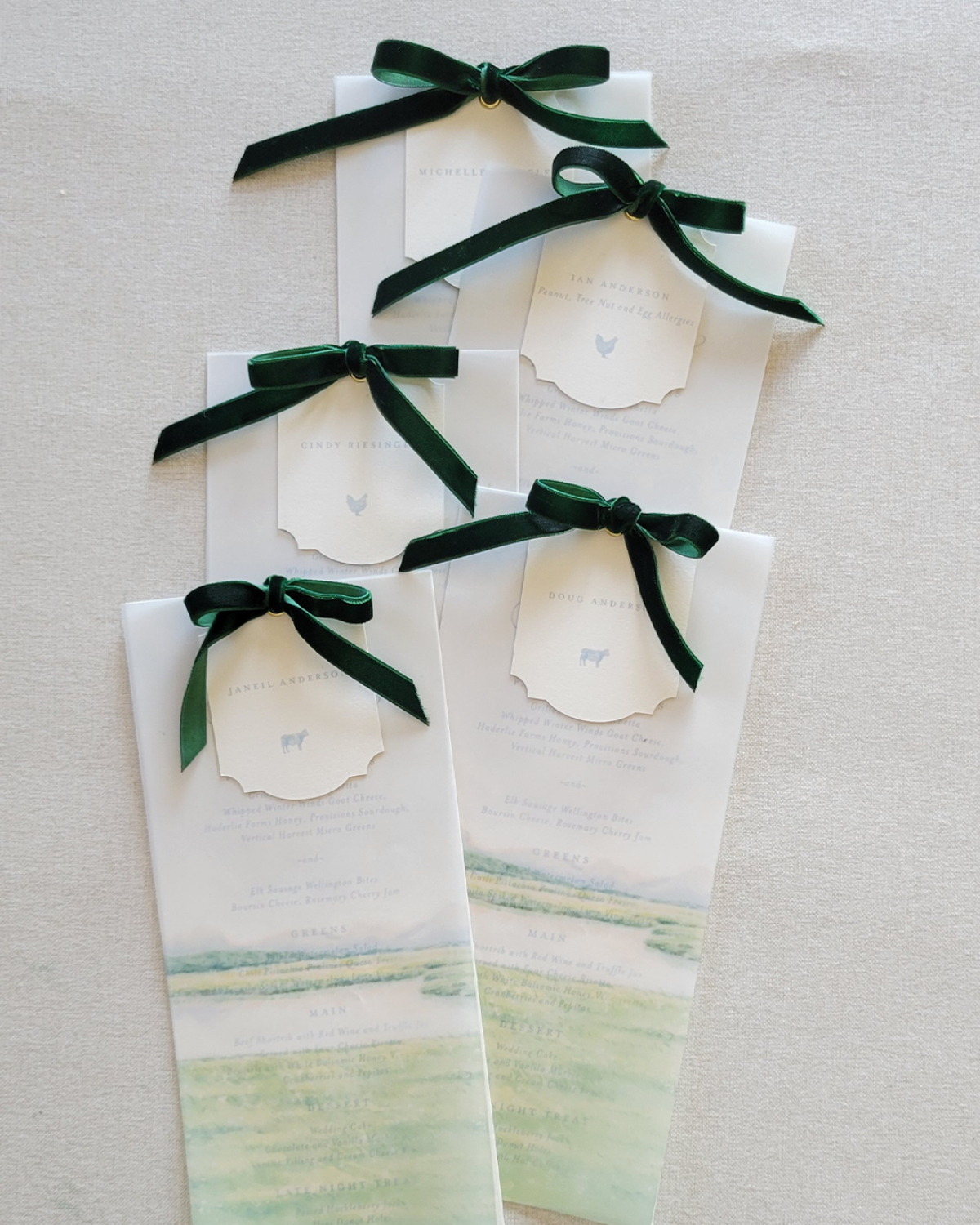
Your wedding invitation style should guide every paper decision, from save-the-dates to day-of stationery. That doesn’t mean everything looks the same. It means everything belongs to the same visual family.
Save the dates are the foundation.
Invitations refine it.
Day-of pieces support it.
When this system is clear early, redesigns disappear. Second-guessing fades. Planning feels calmer.
This is the advantage of approaching stationery as a whole, rather than a series of isolated moments.
For a closer look at how paper and decor work together, my blog, “The Art of Cohesive Wedding Details,” walks through the process step by step.
The Role of a Custom Designer
Choosing a wedding invitation style can feel overwhelming when you’re doing it alone. There are too many options and not enough context.
A custom invitation designer helps by editing, asking the right questions, and narrowing things down until everything feels clear.
My role is not to push a look. It’s to translate what already exists in your plans into paper. Venue, priorities, timing, and guest experience all inform the final result.
A custom invitation design allows for refinement. It gives personalized wedding invitations room to evolve as decisions come together, and it removes the pressure to have everything finalized at once.
If you’re deciding whether a designer is the right fit, my blog “How to Choose a Stationery Designer When You Want Something Truly Iconic” offers a clear framework to help you decide.
A Clear Beginning Sets the Stage for Everything Else
Choosing your wedding invitation style isn’t about finding the perfect design. It’s about creating clarity early so the rest of your planning feels more intentional.
When your invitation style reflects your setting, tone, and priorities, your paper does real work. It guides guests, supports cohesion, and sets expectations without explanation.
This is how I approach wedding invitation designs at Seventh and Anderson. With restraint. With intention. And with a focus on the full experience, from save-the-date to thank-you card.
If you are ready to explore personalized wedding invitations that feel considered and cohesive, you are welcome to contact me anytime. You can also follow along on Instagram to see recent work and behind-the-scenes moments as they unfold.
Now booking Fall 2026 weddings and beyond.

Janeil Anderson
Janeil is the designer and detail-tamer behind Seventh and Anderson, based in Montana. She works with couples across the United States and internationally who value thoughtful design, calm guidance, and a planning experience that feels as intentional as the celebration itself. Janeil believes wedding invitations should do more than announce a date; they should feel like an heirloom in the making: personal, refined, and lasting. If questions arise or extra guidance is needed, she’s always happy to help. You can reach her through the contact page, and she’ll be back in your inbox with a response in no time.
NEXT POST
back to post index
PREVIOUS POST
Learn when to order, design, and mail each piece for a seamless stationery experience. From save-the-dates to thank you cards, this guide helps you plan early, avoid rush fees, and create a guest experience that feels intentional from the very first envelope.
The Wedding Stationery Checklist Every Couple Should Follow
stationery guide
My brother and I grew up with a front row seat to what true, long-lasting love looks like. This is the story of our parents' golden anniversary, a celebration that didn't just mark a milestone but also honored them and the legacy they created.
Celebrating 50 Years of Love: Our Parents' Golden Anniversary
CELEBRATIONS
Some wedding days dazzle with their beauty. Others draw you in quietly, through thoughtful choices and meaningful details. Lili and Killian’s Moonlight Basin wedding was the latter.
Floral Wedding Invitations for a Summer Wedding at Moonlight Basin.
WEDDINGS


The Journal
a few favorites from
This is the third message we've received from family and friends regarding our invitation design, after sending our invites out just a week ago. It's hard enough these days getting people to return their RSVPs for weddings, but to have people go out of their way to compliment the details, is incredible. Janeil with Seventh and Anderson is the fairy godmother of paper products, she gets to know you and your partner, takes your ideas/likes/dislikes into account, and creates stunning work you could never have dreamed of.
This is the third message we've received from family and friends regarding our invitation design, after sending our invites out just a week ago. It's hard enough these days getting people to return their RSVPs for weddings, but to have people go out of their way to compliment the details, is incredible. Janeil with Seventh and Anderson is the fairy godmother of paper products, she gets to know you and your partner, takes your ideas/likes/dislikes into account, and creates stunning work you could never have dreamed of.
“Your wedding invites are the most beautiful things I’ve ever seen.”
— Katie & Xander
If this post had you thinking differently about your invitations, you’re exactly where you need to be. Wedding stationery isn’t an afterthought here; it’s part of how your guests experience the entire celebration.
If you’re ready to approach your invitations with intention and clarity, I’d love to hear what you’re planning.
When the details start to matter.


comments +