If you’re here, you are likely staring down a growing list of decisions and wondering if hiring a wedding planner is actually necessary or simply another line item you are supposed to say yes to. The question sounds practical, but it’s asking something much deeper.
How much of this do I want to carry myself?
Wedding planning has a way of expanding. What starts as a few exciting choices quickly grows into timelines, vendor emails, logistics, and family dynamics. Before you know it, you’re making decisions in a particular order, or not making them at all. That’s usually when the question pops up: Do I need a wedding planner? Is hiring a wedding planner worth it for the kind of celebration I want?
There is no one-size-fits-all answer. Instead of a blanket yes or no, I look at how you want to feel during the process and how you want your wedding to live in your memory after it is over.
Those two answers tell me everything I need to know.
Let’s Be Honest: Wedding Planning Is… A Lot
Most couples start out with optimism and a shared Pinterest board. That part is fun. The overwhelm? That tends to sneak in later.
It shows up when timelines collide, when vendors need decisions in a specific order, or when someone asks a question you didn’t know you were supposed to have an answer to. Suddenly, coordinating a wedding feels like a second full-time job you never applied for.
This is usually the moment the questions surface.
- Do I need to hire a wedding planner?
- Is hiring a wedding planner worth it?
- What do wedding planners do, really?
All valid. All necessary. And all worth answering honestly.
What Wedding Planners Actually Do (That Most Couples Don’t Realize)
What planners manage isn’t always visible, and that’s the point.
Yes, planners manage schedules and talk with vendors. But that’s just the surface. A good planner holds the entire event together.
They manage timelines that stretch across months, sometimes years. They bring together vendors who may have never worked together. They spot friction before it happens and quietly solve problems you didn’t even know existed.
Most importantly, they protect the integrity of your wedding design.
A good planner knows the difference between having beautiful ideas and creating a cohesive experience. They know how to move wedding design from concept to reality without losing its soul along the way. That alone answers a big part of the ‘is a wedding planner worth it’ conversation.
Do You Really Need One?
The honest answer: Hiring a wedding planner isn’t required. But it is situational.
When a planner is essential
If you’re planning a multi-day celebration, a destination wedding, or a high-touch luxury event, hiring a planner isn’t really optional in my book. These weddings come with layered logistics, complex vendor teams, and tight timing. No one should be managing that alone, especially if you want to enjoy the experience.
In these cases, trying to coordinate without professional support often creates stress that seeps into every decision. A planner becomes the anchor that keeps everything steady.
When a partial planner might be enough
Here’s an important distinction that often gets missed: coordinating a wedding is not the same as designing one.
Partial planners typically handle logistics, timelines, and vendor communication during specific phases. They are a great fit if you have a clear vision and just need help executing it without having to manage every moving part yourself.
If your wedding design is already well-defined and you’re comfortable making aesthetic decisions independently, this can be a great middle ground. You still benefit from hiring a wedding planner, just in a more focused way.
When a planner may not be necessary, but is helpful
Smaller celebrations with fewer vendors can sometimes move forward without a planner. But many couples underestimate the emotional load. Decision fatigue is real. So is the pressure of being the point person on your own wedding day.
And when it isn’t you, it’s often someone close (most commonly the bride’s mother) who absorbs the questions, interruptions, and last-minute decisions instead of simply being present.
This is where the question of hiring a wedding planner shifts from logistics to experience. You might be capable of doing it all. The real question is: do you want to?
Bandwidth, stress tolerance, and aesthetic goals matter
This is the part most people rarely consider. Your tolerance for decision-making, your ability to manage stress, and how much you care about refined wedding design should drive your decision.
If you want a wedding that feels intentional, layered, and visually cohesive, hiring a wedding planner often supports that outcome.
Why Planners Make the Stationery Process Easier
From a wedding stationery perspective, the difference is immediate.
When hiring a wedding planner, timelines are clearer, decisions happen in the right order, and your paper story naturally aligns with the rest of your wedding design.
Planners understand how wedding stationery fits into the guest journey. They know when each piece is needed, how it should function, and how it supports the overall experience.
A Peek Behind the Scenes: How Planners and Stationers Collaborate
The best weddings come from collaboration. Full stop.
When planners and stationers collaborate early, wedding design feels cohesive without being repetitive. Stationery choices inform tabletop details, color palettes remain consistent, and visual language carries from the invitations to the day-of details. Nothing feels accidental.
This kind of collaboration also protects your investment. Custom wedding stationery works best when it’s designed with the full event in mind. Planners help ensure those details translate seamlessly on your wedding day.
It’s one of the most underrated benefits of hiring a wedding planner, especially if you care deeply about aesthetics.
How to Know If Hiring a Planner Is the Right Move for You
Ask yourself a few honest questions.
- Do you want to manage logistics or experience them?
- Do decisions energize you or drain you?
- Do you want to be the point person on the wedding day?
- Is a cohesive, elevated wedding design important to you?
If reading those questions makes your shoulders tense, you have your answer.
For many couples, hiring a wedding planner isn’t about necessity. It’s about choosing clarity. Choosing ease. Choosing to protect the experience you’re creating.
That’s why the question ‘is a wedding planner worth it’ rarely has a universal answer. It’s worth it when it supports how you want to feel.
Q&A: Insider Planner Perspectives
To add another layer to this conversation, I asked Katie Taylor, founder of Katie Taylor Events, a few insider questions. The kind most couples are not asking, but should.
Her answers speak directly to what actually shapes the wedding experience behind the scenes.
What’s something couples assume they can handle solo that actually creates the most chaos?
Final-stage communication and decision management. Couples often think they can manage vendor questions, timelines, guest logistics, and last-minute changes themselves, but this is when overwhelm sets in and details start to unravel. My role is to centralize communication, field questions, confirm details, anticipate needs, and make informed decisions on the couple’s behalf. That structure prevents misinformation, protects the timeline, and allows couples to stay present and enjoy the experience rather than managing it.
What’s a “small” detail couples overlook that has the biggest ripple effect on the wedding day timeline?
The timing and flow of paper delivery and placement. When escort cards, signage, or menus arrive late, incomplete, or without a clear plan, it can delay seating, dinner service, and the overall guest experience far more than couples realize.
What’s one thing you wish couples understood about the behind-the-scenes work between a planner and a stationer?
That the collaboration is highly strategic and starts much earlier than most couples realize. I coordinate guest counts, timelines, layouts, vendor load-ins, and overall flow, then work closely with the stationer to ensure every paper piece supports those logistics seamlessly. I handle communication, confirmations, quantities, placement plans, and timing so the stationer can focus on creating beautiful, functional work without last-minute changes or pressure. When that partnership is intentional, paper goods don’t just enhance the design; they actively guide guests, protect the timeline, and elevate the entire experience.
From your perspective, what is the one thing guests actually remember most about a wedding?
How it felt. Guests may remember beautiful moments, but what stays with them is whether the day felt effortless, welcoming, and thoughtfully paced. When everything flows naturally, guests feel cared for, and that is what leaves a lasting impression.
When it comes to day-of paper, what’s a mistake you see couples make when they try to DIY instead of hiring a pro?
Couples often focus on how the paper will look without considering how it needs to function. DIY pieces rarely account for setup time, weather, lighting, or how items will be placed and transitioned throughout the event. A professional anticipates those variables —ensuring materials are durable, legible, correctly sized, and delivered in a way that supports the timeline rather than competing with it. When handled by a pro, day-of paper quietly does its job, reducing questions, preventing bottlenecks, and allowing the celebration to unfold smoothly.
What decisions feel small to couples early on but become very big later if they aren’t thoughtfully planned?
Guest count, seating strategy, and paper quantities often feel flexible early on, but they quickly become foundational. These decisions influence everything from table layouts and rental orders to stationery counts, staffing, and meal service timing. Another commonly overlooked area is how information is communicated to guests. What they need to know, when they need to know it, and how it’s presented. When those details aren’t intentionally planned from the start, they create last-minute pressure across multiple vendors and can impact the overall flow and guest experience in ways couples don’t anticipate.
What’s the difference between a wedding that looks cohesive and one that truly feels intentional?
Cohesion is visual. Intention is experiential. An intentional wedding considers how guests move, where they pause, what they need to know, and when. Paper goods play a huge role in guiding that experience seamlessly.
What paper details have the biggest impact on how smoothly a wedding day runs?
Escort cards and menus are huge, but thoughtfully planned guidance pieces are often what make the biggest difference. Clear directional signage from the parking area to the venue (especially when there’s a walk involved or the ceremony space isn’t immediately visible) helps guests arrive calmly and on time.
Ceremony programs also play an important role, not just in outlining the flow of the ceremony, but as a place where couples can express gratitude to their loved ones and share the meaning behind the day. Another impactful detail is signage with a QR code for guest photo and video sharing, which allows couples to experience their celebration through the eyes of the people they love—often capturing moments they would never otherwise see.
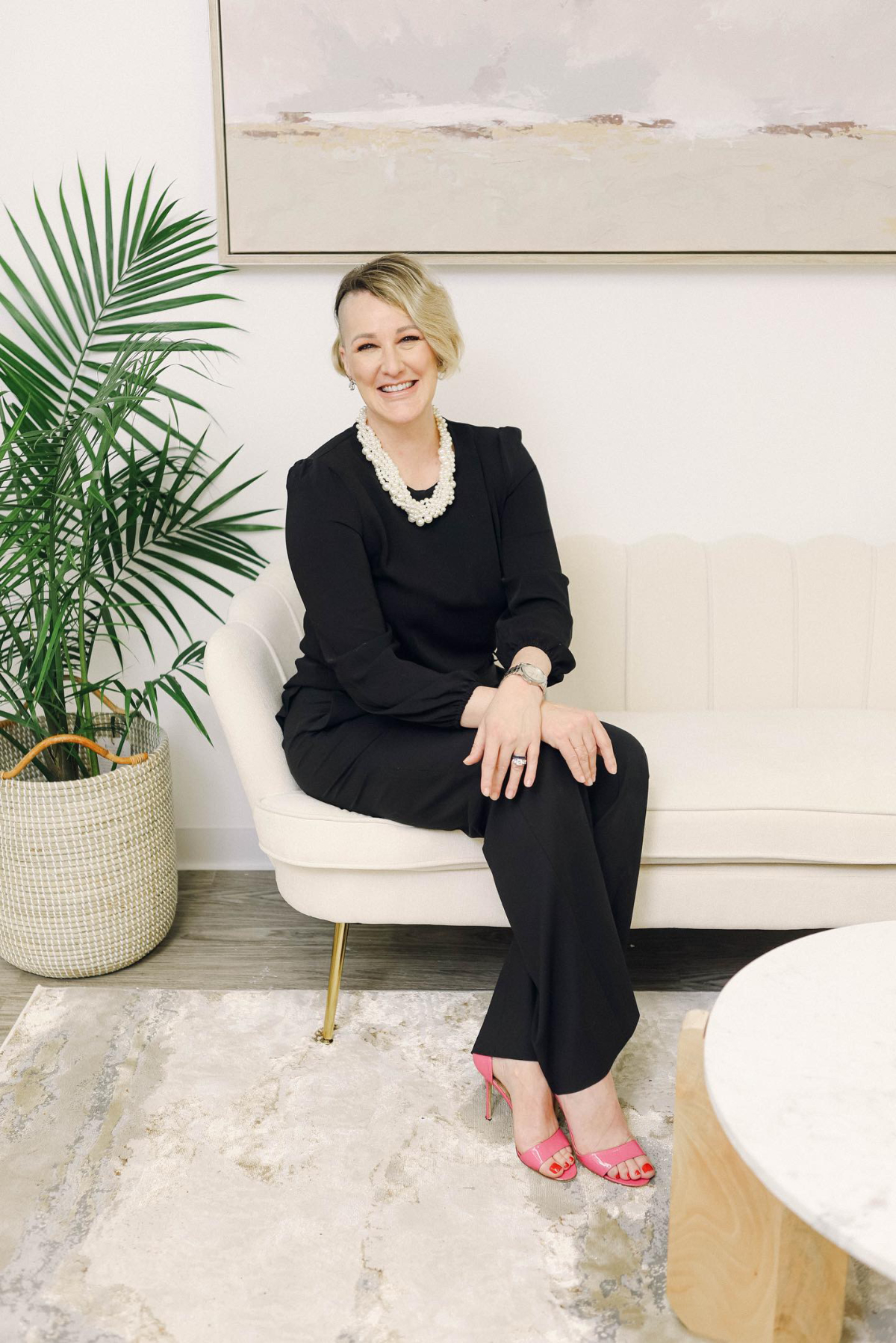
About the Planner
Katie Taylor is the founder and lead planner of Katie Taylor Events, a luxury wedding planning boutique specializing in refined, experience-driven celebrations in Montana, Seattle, and destinations around the world. With years of industry experience and a background rooted in storytelling, Katie is known for her meticulous attention to detail, calm leadership, and unwavering fierce advocacy for her couples. Katie’s work blends elevated design with thoughtful logistics, ensuring each wedding looks beautiful, feels effortless from start to finish, and is a genuine reflection of each couple. Your story, perfectly curated.
Final Thoughts From a Stationery Designer’s Point of View
In my experience, hiring a wedding planner changes the tone of the entire planning process. Not because planners replace your vision, but because they protect it.
They create space for better decisions. They let your wedding design unfold with intention. They make coordinating a wedding feel manageable instead of overwhelming.
So do you need a wedding planner? Maybe. Is a wedding planner worth it? Often, yes. Will hiring a wedding planner make your experience calmer, clearer, and more enjoyable? Absolutely.
A big thank you to Katie Taylor for sharing her perspective so openly. Conversations like this remind me just how much thoughtful planning shapes the experience in ways couples and guests may never fully see, but absolutely feel.
And if you decide to move forward without a planner, that’s okay, too. Just know that your choices ripple through every detail, including your wedding stationery.
If you’re thinking through your own planning approach and want stationery that feels thoughtful, intentional, and deeply personal, you’re welcome to browse my portfolio and explore my services. When you’re ready to talk through your ideas, just reach out and we’ll take it from there.
If you’d rather observe for a bit first, you’re always welcome to follow along on Instagram for a closer look at recent suites, process moments, and the paper stories taking shape in my studio.

Janeil Anderson
Janeil is the designer and detail-tamer behind Seventh and Anderson, based in Montana. She works with couples across the United States and internationally who value thoughtful design, calm guidance, and a planning experience that feels as intentional as the celebration itself. Janeil believes wedding invitations should do more than announce a date; they should feel like an heirloom in the making: personal, refined, and lasting. If questions arise or extra guidance is needed, she’s always happy to help. You can reach her through the contact page, and she’ll be back in your inbox with a response in no time.
NEXT POST
back to post index
PREVIOUS POST
Learn when to order, design, and mail each piece for a seamless stationery experience. From save-the-dates to thank you cards, this guide helps you plan early, avoid rush fees, and create a guest experience that feels intentional from the very first envelope.
The Wedding Stationery Checklist Every Couple Should Follow
stationery guide
My brother and I grew up with a front row seat to what true, long-lasting love looks like. This is the story of our parents' golden anniversary, a celebration that didn't just mark a milestone but also honored them and the legacy they created.
Celebrating 50 Years of Love: Our Parents' Golden Anniversary
CELEBRATIONS
Some wedding days dazzle with their beauty. Others draw you in quietly, through thoughtful choices and meaningful details. Lili and Killian’s Moonlight Basin wedding was the latter.
Floral Wedding Invitations for a Summer Wedding at Moonlight Basin.
WEDDINGS


The Journal
a few favorites from
This is the third message we've received from family and friends regarding our invitation design, after sending our invites out just a week ago. It's hard enough these days getting people to return their RSVPs for weddings, but to have people go out of their way to compliment the details, is incredible. Janeil with Seventh and Anderson is the fairy godmother of paper products, she gets to know you and your partner, takes your ideas/likes/dislikes into account, and creates stunning work you could never have dreamed of.
This is the third message we've received from family and friends regarding our invitation design, after sending our invites out just a week ago. It's hard enough these days getting people to return their RSVPs for weddings, but to have people go out of their way to compliment the details, is incredible. Janeil with Seventh and Anderson is the fairy godmother of paper products, she gets to know you and your partner, takes your ideas/likes/dislikes into account, and creates stunning work you could never have dreamed of.
“Your wedding invites are the most beautiful things I’ve ever seen.”
— Katie & Xander
If this post had you thinking differently about your invitations, you’re exactly where you need to be. Wedding stationery isn’t an afterthought here; it’s part of how your guests experience the entire celebration.
If you’re ready to approach your invitations with intention and clarity, I’d love to hear what you’re planning.
When the details start to matter.


comments +